How is headache assessed?
Assessment of a headache begins with screening for whether there is a secondary cause; the type of pain is then determined. Migraine is usually a one-sided, throbbing pain that increases with movement; nausea and discomfort with light may accompany it. Tension-type headache, by contrast, is described as a feeling of pressure encircling the head.
Headache is very common. The World Health Organization (opens in a new tab) reports that, as of 2021, headache disorders affected approximately 3.1 billion people worldwide (40% of the population) and were among the top three neurological conditions in the 5–80 age range. The same source states that in 2021 migraine ranked third in the burden of neurological disease.
Because it is so common, headache may come to be seen as ordinary. Yet identifying the type of pain directly changes the approach that follows.
The distinction between migraine and tension-type headache
| Feature | Migraine | Tension-type headache |
|---|---|---|
| Character of the pain | Throbbing | Pressure, tightening; a band-like feeling around the head |
| Location | Usually one-sided | Usually two-sided |
| Duration | 4–72 hours | Variable; from minutes to days |
| With movement | Usually increases | Usually does not change noticeably |
| Nausea, vomiting | May accompany it | Usually absent |
| Discomfort with light and sound | May accompany it | Usually absent |
| Common trigger | Irregular sleep, hunger, the menstrual period | Stress, tension in the neck and shoulder muscles |
| Onset | Usually in adolescence; most common between 35 and 45 | Variable |
| Sex | More common in women | Approximately 1.5 times more common in women than in men |
The World Health Organization (opens in a new tab) states that tension-type headache may be related to stress or to musculoskeletal problems in the neck region; the same organisation (opens in a new tab) reports that neck pain affects 222 million people. This explains why the two are assessed together.
Both types may be present together in the same person. The distinction is made by examination.
What is asked about during the examination?
- The description of the pain. Whether it is throbbing or pressure-like; whether it is one-sided or two-sided.
- Duration and frequency. How long an attack lasts and on how many days a month the pain occurs.
- Accompanying symptoms. Nausea, vomiting, discomfort with light and sound, and any visual symptoms before the pain.
- Triggers. Sleep, skipping meals, the menstrual period, stress, screen time, neck posture.
- Painkiller use. Which medicine, how often and for how long.
- Co-existing conditions. Blood pressure, thyroid, anaemia, disturbed sleep, neck problems.
- Whether there are any warning signs. These are asked about to check for secondary causes of headache.
Keeping a pain diary (date, duration, severity, trigger, medicine used) makes the assessment noticeably easier.
How does the assessment proceed?
- Medical history and screening for warning signs.
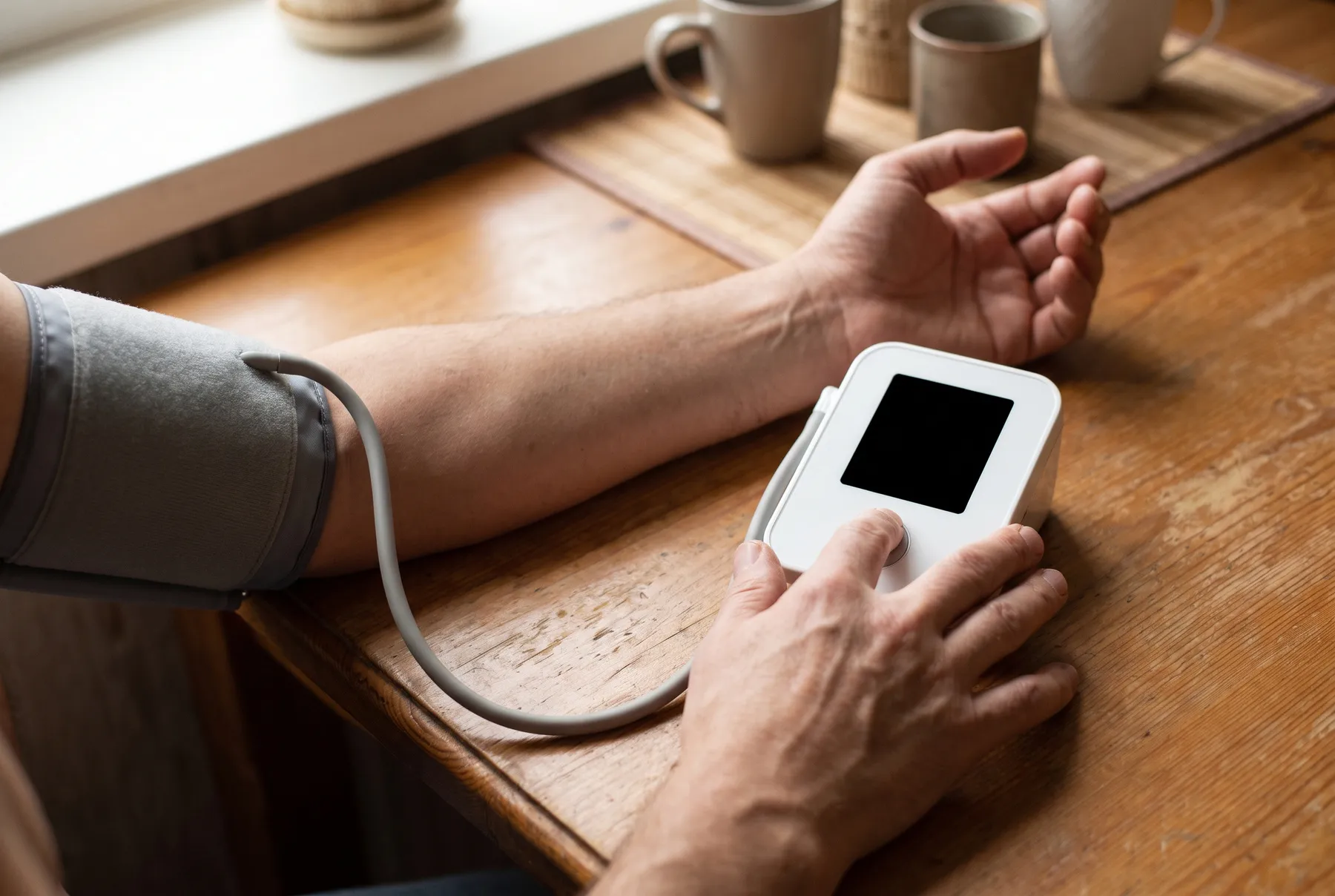
- Physical and neurological examination. Blood pressure is measured, the neck region is examined and a neurological assessment is performed.
- Laboratory tests. Where necessary, anaemia, thyroid function and inflammatory markers are assessed.
- The decision on imaging. Not every headache needs imaging; whether it is needed is determined by the examination findings and any warning signs.
- Drawing up the plan. This covers reducing triggers, the sleep and meal routine, medication adjustments where necessary and, where considered suitable, procedures performed at the practice.
- Referral. Where the clinical picture requires further evaluation, a neurology assessment is requested.
In which patients is it assessed differently?
- In patients whose headache starts for the first time over 50 years of age
- In patients with a sudden and very severe headache (assessment is urgent and must not be delayed)
- In patients whose pain began after a head injury
- In patients with a history of cancer or a disease that suppresses the immune system (secondary causes are investigated first)
- In patients who are pregnant or breastfeeding (the medicines that may be used are limited; the plan is drawn up separately)
- In patients whose blood pressure runs high (a blood pressure assessment is carried out at the same time)
- In patients who use painkillers frequently (medication-overuse headache is assessed separately)
- In patients with fever and neck stiffness (assessment is urgent)
- In patients under 18 years of age (assessment lies within the field of paediatrics; this page has been prepared for adults)
How long does it take, and how many appointments are needed?
The number of appointments and the follow-up interval are determined according to the type and frequency of the pain and any co-existing conditions. A definite number cannot be given in advance.
In frequently recurring headaches, follow-up generally relies on the pain diary, and the plan is reviewed at those intervals. Where a procedure is considered suitable and planned, the number of sessions and the interval between them are determined at the end of the examination.
What should you do before and after the consultation?
When you come to your appointment, bring:
- A pain diary covering a few weeks
- A list of all the medicines and supplements you use (including how often you use painkillers)
- Your previous imaging reports and test results, if you have them
After the appointment, you are given a written plan. Apply the changes to your sleep and meal routine gradually. Keeping up the pain diary makes it possible to review the plan at the next follow-up.
Risks and points to be aware of
Frequent use of painkillers may sustain the pain. The World Health Organization describes medication-overuse headache as the most common secondary headache disorder and reports that in some populations it may be seen at rates of up to 5%, and that it is more common in women. For this reason, you are asked separately about how often you use them.
Do not start a medicine, increase its dose or extend its duration on your own initiative.
A change in the character of the pain is assessed separately. If a headache that has run the same way for years changes in character, this should be reported.
Not every headache needs imaging. Whether it is needed is determined by the examination findings.
Interventional procedures carry risks of their own. Pain at the site of the procedure, bruising, bleeding and, rarely, infection may occur. The suitability criteria for each procedure are set out on its own page.
Results vary from person to person. Triggers and the response are not the same in every patient.
When should you see a physician without delay?
If you notice these symptoms, consult a physician without delay:
- Pain that began after a head injury
- A marked change in the character of the pain
- Headache starting for the first time over 50 years of age
- Pain that increases noticeably with coughing or bending
In the event of a sudden and very severe headache, headache accompanied by fever and neck stiffness, loss of vision, double vision or disturbance of speech, loss of strength or numbness in an arm or leg, altered consciousness or a seizure, go directly to the emergency department.
Frequently asked questions
Can I tell at home whether it is migraine or tension-type headache?
The features in the table may give guidance, but the distinction is made by examination. The two types may be present together in the same person and the symptoms may overlap. Keeping a pain diary helps with the assessment.
Is a CT or MRI scan needed for headache?
Not every headache needs imaging. Whether it is needed is determined by the examination findings, the features of the pain and whether warning signs are present.
How many days a month of painkiller use is too many?
A definite number cannot be given for this; it varies according to the medicine used and the person. However, regular and frequent painkiller use may lead to medication-overuse headache. Tell your physician how often you use them.
Could my neck pain be related to my headache?
It could. Tension-type headache may be related to musculoskeletal problems in the neck region. For this reason the neck region is also examined during the assessment.
Does my blood pressure cause headache?
High blood pressure most often causes no symptoms; symptoms usually appear only at very high values. Even so, blood pressure is measured routinely in patients who present with headache.
Which procedures may be planned for migraine?
If considered suitable following the assessment, procedures such as hijama and major ozone therapy may be added to the plan. Each has its own suitability criteria, course and possible side effects, and these are described separately on the relevant pages. The decision on suitability is made at the end of the examination.
What should I record in the pain diary?
The date of the pain, the time it started, its duration and severity, which side it was on, accompanying symptoms, your sleep and meals that day, and the medicine you took and its dose. A record covering a few weeks provides information that helps make the distinction at the examination.
Sources
- World Health Organization, Headache disorders fact sheet, 24 October 2025. https://www.who.int/news-room/fact-sheets/detail/headache-disorders (opens in a new tab)
- World Health Organization, Musculoskeletal health fact sheet, 14 July 2022. https://www.who.int/news-room/fact-sheets/detail/musculoskeletal-conditions (opens in a new tab)