How is skin health related to general health?
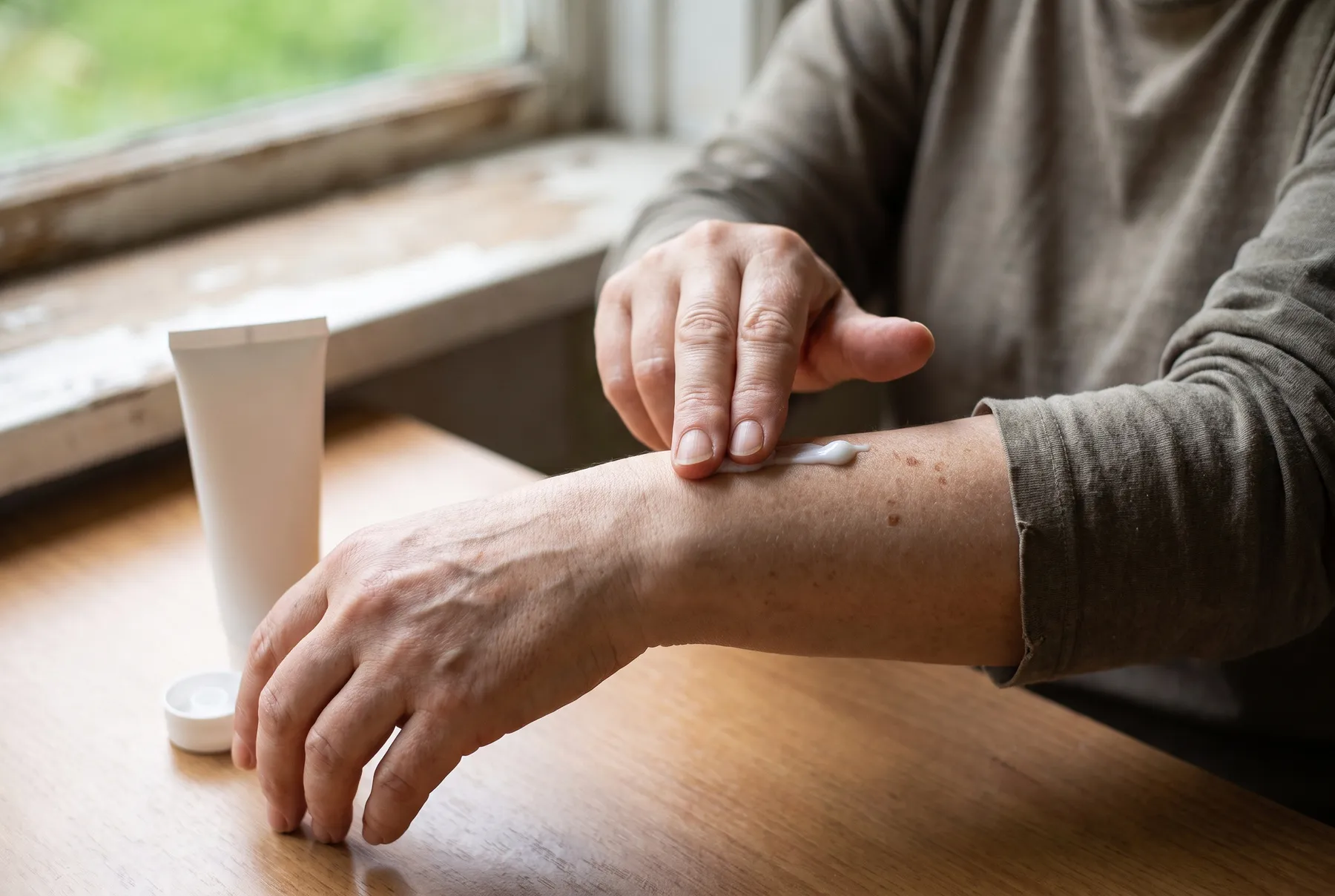
Certain changes in the skin may be the first visible sign of a problem in the way the body as a whole is working. For this reason, the assessment also covers sleep routine, nutrition, the course of blood sugar, thyroid function, and iron and B12 status. This does not mean that the cause of a skin complaint is always one of these factors.
When a skin complaint is assessed, the assessment covers not only the skin but also your general health. This does not mean that an assessment directed at the skin is unnecessary; the skin assessment and the metabolic assessment complement each other.
The boundary to know first:
The diagnosis and treatment of skin diseases fall within the field of the dermatology specialty. This page, and the assessment described here, do not take the place of a dermatology examination. If there is a lesion on the skin that is new, growing, or changing in colour or border, a dermatology assessment is required.
What is assessed alongside the skin
Sleep routine
Sleep duration and quality are general health factors that affect the repair processes of many tissues, including the skin. Frequent waking at night, snoring and daytime drowsiness are also asked about.
Eating routine
For adults, the World Health Organization (opens in a new tab) recommends that at least 400 grams of vegetables and fruit be consumed a day, that free sugars stay below 10% of daily energy intake, that salt be kept below 5 grams a day, and that saturated fat not exceed 10% of total energy intake. These are not recommendations directed at the skin; they are general health recommendations.
The course of blood sugar
Where blood sugar runs high, dryness of the skin, itching and delayed wound healing may be seen.
Thyroid function
Thyroid hormones running lower or higher than expected may be seen together with dryness of the skin, hair loss and changes in the nails.
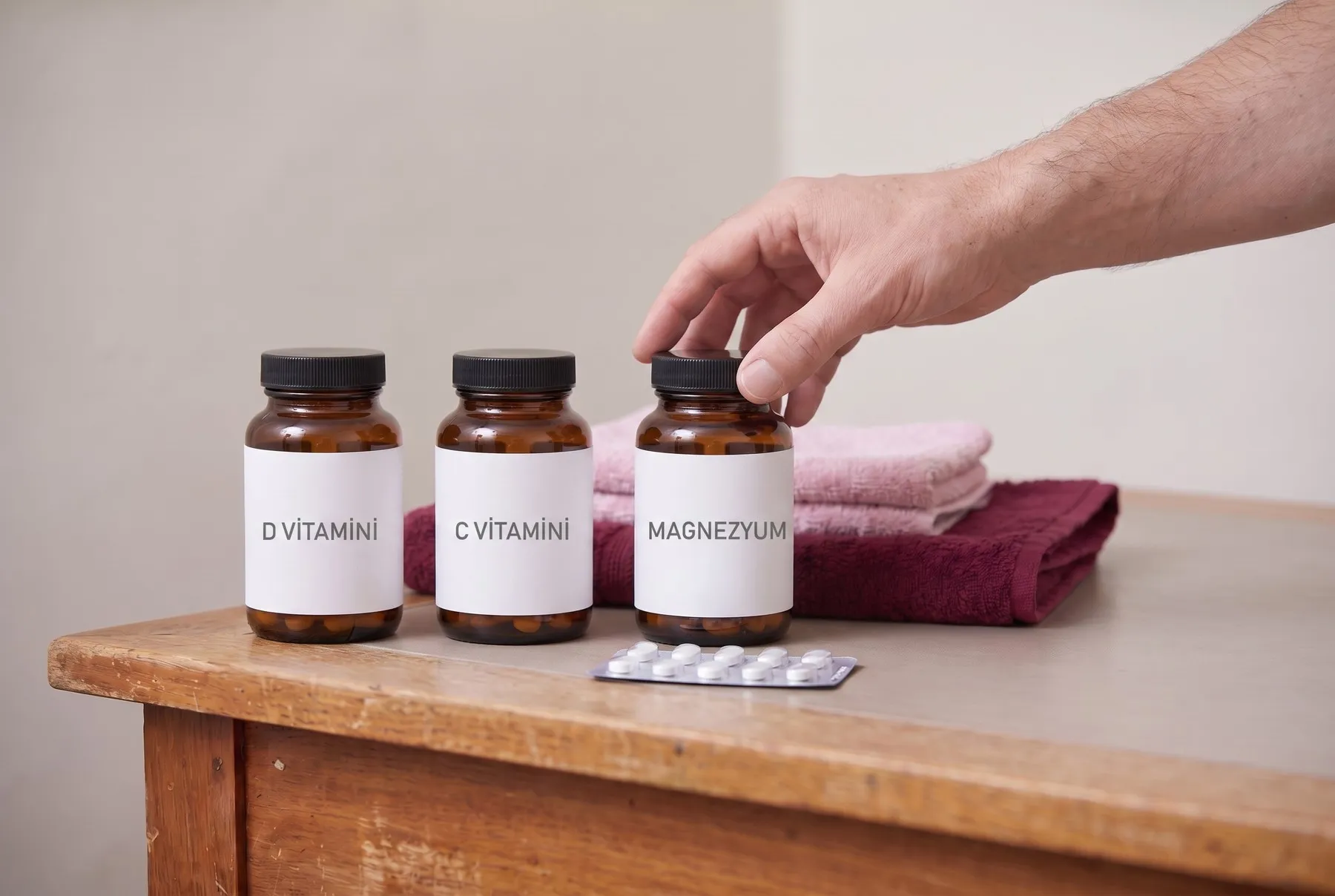
Iron, B12 and vitamin D status
These are assessed together with complaints of fatigue and hair loss.
Body weight
According to the results of the Türkiye Nutrition and Health Survey-2017, the General Directorate of Public Health (opens in a new tab) of the Ministry of Health of the Republic of Türkiye reports the prevalence of obesity in those aged over 15 as 31.5%, and states that obesity increases the risk of type 2 diabetes, hypertension and metabolic syndrome.
Current medication and supplements
Some medicines may lead to changes in the skin.
In which complaints is this assessment carried out?
| Complaint | Factors assessed together with it |
|---|---|
| Dryness and dullness of the skin | Thyroid function, fluid intake, eating routine |
| Hair loss | Iron and ferritin, B12, thyroid, vitamin D |
| Brittle nails | Iron status, nutrition |
| Delayed wound healing | The course of blood sugar |
| Itching of the skin | Blood sugar, liver and kidney function, thyroid |
| Darkening on the neck and under the arms | Insulin response |
| A skin complaint accompanied by fatigue and weight change | The full metabolic assessment |
This table is intended as a guide; which investigations are needed is determined at the consultation.
How do the two areas come together?
The practice brings two areas together: internal medicine and the functional medicine approach, and medical aesthetics.
When a procedure directed at the skin is being planned, assessing the metabolic factors beforehand is part of that planning. Thyroid function, the course of blood sugar, iron status and current medication may affect the suitability of the procedure and the plan for it.
This is not a recommendation for a procedure directed at the skin. Which procedure is suitable for whom is set out separately on the relevant pages, and the decision is made at the end of the consultation.
In which patients is it assessed differently?
- In patients with a known skin disease, follow-up falls within the field of the dermatology specialty, and this assessment does not take its place
- In patients with a lesion on the skin that is new, growing, or changing in colour or border, a dermatology assessment is required first
- In pregnant and breastfeeding patients, changes specific to these periods may be seen in the skin; any adjustment to the eating routine is made separately
- In patients with a history of an eating disorder, dietary recommendations are adjusted accordingly; restrictive recommendations may not be appropriate
- In patients with kidney or liver disease, adjustment to the eating routine is planned separately
- In patients receiving active oncological treatment, follow-up falls within the relevant specialty
- In patients with an autoimmune disease, skin findings are assessed together with the relevant specialty
- In patients under 18 years of age, assessment lies within the field of paediatrics; this page has been prepared for adults
How does the assessment proceed?
- The history of the complaint. When it began, its relationship to the season or to a particular period, and what has been done before.
- Sleep and eating routine. The number of meals, the intervals between them, and the duration and quality of sleep.
- Accompanying symptoms. Fatigue, weight change, menstrual pattern, constipation, feeling cold.
- Current medication and supplements.
- Measurements and laboratory tests. Where necessary, a full blood count, iron and ferritin, B12, thyroid function tests and blood sugar are assessed.
- Drawing up the plan and, where needed, referral. If a dermatology assessment is required, a referral is made.
How long does it take, and how many consultations are needed?
The number of consultations and the follow-up interval are determined according to the complaint; a definite number cannot be given in advance. Changes relating to sleep and eating routine are generally reflected on a timescale of weeks to months.
Points to be aware of
Not every change in the skin can be attributed to a metabolic cause. A lesion on the skin that is new, growing, or changing in colour or border requires a dermatology assessment.
Adjusting the eating routine is not a skin treatment. The points above are general health recommendations; they do not mean that a particular result for the skin will be achieved.
Do not start a supplement on your own. Unnecessary use of products recommended for the skin and hair provides no benefit and may interact with your current medication.
The time it takes for an effect to appear varies from person to person.
Results vary from person to person.
When should you see a physician without delay?
If you notice these symptoms, consult a physician without delay:
- Spots or moles on the skin that are new, growing or changing in colour
- A widespread rash or itching
- Wounds that heal slowly
- Marked and rapid hair loss
- Dryness of the skin seen together with fatigue, weight change and feeling cold
- Yellowing of the skin or of the whites of the eyes
- Bruising of the skin or a tendency to bleed
If a widespread rash is accompanied by shortness of breath, swelling of the face or tongue, or fever, go directly to the emergency department.
Frequently asked questions
If I adjust my eating routine, will my skin improve?
No such outcome can be stated in advance. Sleep and eating routine are factors that affect general health, and they are assessed together with certain changes seen in the skin. However, the cause of a skin complaint may also lie elsewhere; the distinction is made at the consultation.
Should I see internal medicine or dermatology for my skin complaint?
If there is a lesion on the skin that is new, growing or changing in colour, a dermatology assessment is required. If a skin complaint is accompanied by fatigue, weight change, hair loss and menstrual irregularity, an internal medicine assessment is also carried out. Neither takes the place of the other.
Is a test needed before a procedure directed at the skin?
Whether one is needed varies according to the procedure and to you. In some situations, knowing thyroid function, blood sugar and iron status may affect the suitability of the procedure. Which investigations are needed is determined at the end of the consultation.
Which tests are requested for a skin complaint?
No standard list is applied. Depending on the complaint, a full blood count, iron and ferritin, B12, thyroid function tests and blood sugar are generally assessed.
What is done about my hair loss?
The cause of the loss is assessed first; iron and ferritin status, thyroid function, B12 and vitamin D levels, current medication, and any recent illness or severe stress are reviewed. Where the loss is widespread and rapid, a dermatology assessment may also be requested.
Should I take a supplement for my skin and hair?
Starting one without a physician’s assessment is not recommended. Using a supplement without a deficiency having been demonstrated does not provide the expected contribution and may interact with your current medication.
Is drinking water enough for the skin?
Adequate fluid intake is recommended for general health, but it cannot be presented as a solution for the skin on its own. Sleep, eating routine and any underlying metabolic factors are assessed together.
Sources
- World Health Organization, Healthy diet fact sheet, 26 January 2026. https://www.who.int/news-room/fact-sheets/detail/healthy-diet (opens in a new tab)
- Ministry of Health of the Republic of Türkiye, General Directorate of Public Health, Obezite (data from the Türkiye Nutrition and Health Survey-2017). https://hsgm.saglik.gov.tr/tr/obezite (opens in a new tab)