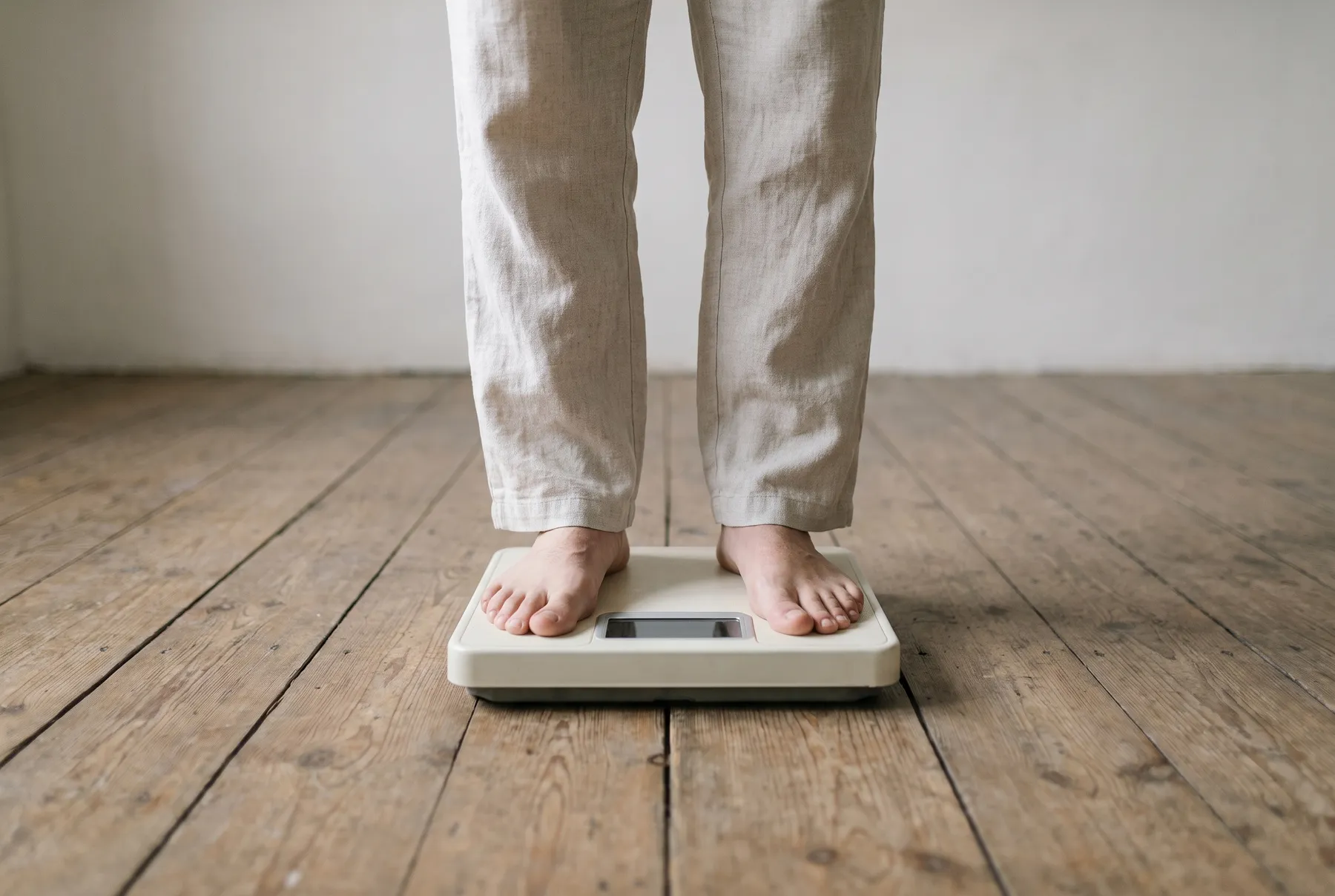
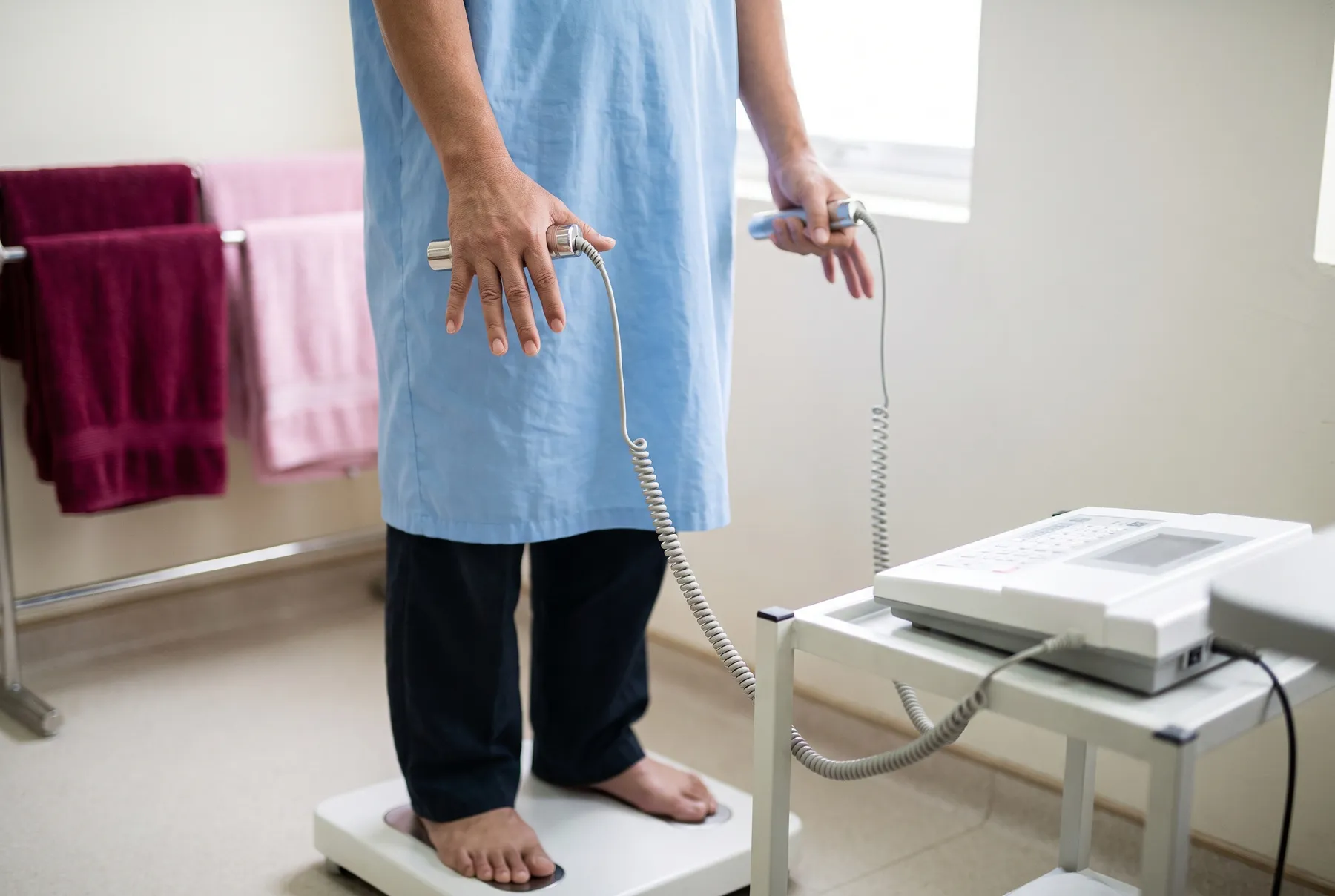
What is Nutrition and Dietary Counselling?
Nutrition and dietary counselling looks at your current eating routine and plans, together with you, changes that are feasible for you. It is not a matter of handing over a ready-made list; your meal routine, your working hours, your cooking habits, your co-existing conditions and your current medication are all considered together.
Two points to know first:
- The aim is not appearance but health. Blood sugar, blood pressure, blood lipids, the course of weight and general well-being are monitored together.
- No rapid-result target is set. Gradual and sustainable changes are preferred.
For adults, the World Health Organization (opens in a new tab) gives these general recommendations: at least 400 g of vegetables and fruit a day; keeping free sugars below 10% of daily energy; keeping salt below 5 g a day; total fat at 30% or less of energy, saturated fat below 10% and trans fat below 1%. These are general recommendations; the routine appropriate for you is personalised within this framework.
In which situations is nutrition counselling planned?
- In insulin resistance and raised blood sugar
- During weight management (together with Weight and Metabolism Management)
- In raised blood lipids
- In blood pressure follow-up (adjusting salt intake)
- In thyroid disorders (iodine intake and the relationship between medication and food)
- In anaemia (iron content and absorption)
- In digestive complaints
- In complaints of irregular meals and night eating
Based on the results of the Türkiye Beslenme ve Sağlık Araştırması-2017, the Ministry of Health of the Republic of Türkiye, General Directorate of Public Health (opens in a new tab), reports the prevalence of obesity over the age of 15 as 31.5% (39.1% in women, 24.6% in men), and states that obesity increases the risk of type 2 diabetes, hypertension, coronary artery disease, hyperlipidaemia and metabolic syndrome.
How does the process work?
- Recording the current routine. How many meals you eat, at what times and what they contain; water intake, snacks, how often you eat out. Keeping a few days’ notes on your eating makes this stage markedly easier.
- Medical assessment. Co-existing conditions, current medication and supplements, laboratory results, measurements (weight, waist circumference, blood pressure).
- Identifying the obstacles. Working hours, shift work, the conditions in which you eat, budget, the time spent cooking.
- Drawing up the plan together. Changes begin gradually and in a small number of areas.
- Monitoring. The measurements are repeated at set intervals and the plan is reviewed.
In which patients is it planned differently?
- In patients who are pregnant or breastfeeding, no weight-loss target is set; the plan is carried out together with obstetrics and gynaecology
- In patients with a history of an eating disorder, restrictive plans are not appropriate; planning is shared with the relevant specialty
- In patients with kidney failure, protein, salt, potassium and phosphorus intake are adjusted separately
- In patients with liver failure, dietary changes are planned separately
- In patients with type 1 diabetes and in patients using insulin, the fit between meals and medication is planned separately
- In patients with heart failure, fluid and salt intake are adjusted separately
- In patients with coeliac disease or a diagnosed food allergy, the plan is built around these diagnoses
- In patients undergoing active oncology treatment, follow-up lies with the relevant specialty
- In patients with unintentional weight loss, this is a different clinical picture, and its cause is investigated first
- In patients over 65, preserving muscle mass is also taken into account
- In patients under 18 years of age, assessment lies within the field of paediatrics; this page has been prepared for adults
How long does it take, and how many consultations are needed?
The number of consultations and the interval between them are set individually; a definite number cannot be given in advance. Some cases may be completed in a single consultation, while the follow-up of a chronic condition may involve monitoring at set intervals.
It generally takes weeks to months for the changes to show in the measurements and in the laboratory.
What should you do before and after the consultation?
Before the consultation, prepare and bring:
- Your eating and sleep records from the past few days (covering both a weekday and a weekend)
- A list of all the medicines and supplements you use
- Your test results from the past year
- The regimes you have tried before, with their results
Afterwards, you receive the plan in writing. Apply the changes gradually. The points you find difficult to put into practice are valuable at the next consultation for updating the plan; not being able to follow it is not a failure of the process but information that the plan needs reviewing.
Points to be aware of
No rapid weight-loss target is set. Rapid and severely restrictive regimes may lead to muscle loss, gallbladder problems and the lost weight being regained.
Diet lists circulating on the internet are not suitable for everyone. Separate assessment is needed in pregnancy, in kidney disease, where there is a history of an eating disorder, in diabetes and with certain medicines.
Products and supplements intended for weight loss should not be used without consulting a physician. Products of uncertain content may affect heart rhythm, blood pressure and liver function.
Regimes that skip meals or rely on a single food are not recommended.
Dietary changes do not take the place of medical treatment. Do not stop or reduce the medicine you take on your own initiative.
The assessment is not based on body or appearance.
Results vary from person to person.
When should you see a physician without delay?
If you notice these symptoms, consult a physician without delay:
- Unintentional and unexplained weight loss
- Newly developed difficulty swallowing
- Persistent nausea and vomiting
- Blood in the stool, or a change in its colour
- Dizziness, palpitations or a feeling of faintness while following a diet
- Signs of low blood sugar while taking a diabetes medicine
- A feeling of loss of control over eating
In the event of confusion, fainting, chest pain or shortness of breath, go directly to the emergency department.
Frequently asked questions
Will I be given a ready-made diet list?
Advice builds on your existing eating routine and takes the form of feasible changes. There is no standard list applied to everyone; your working hours, your cooking arrangements and your co-existing conditions determine the plan.
How long does it take to see results in nutrition counselling?
No period of time or amount can be given in advance; the course varies from person to person. Gradual and sustainable changes are preferred. What is monitored is not weight alone but the course of waist circumference, blood sugar, blood pressure and blood lipids.
Can I use a weight-loss pill or supplement?
Using them without a physician’s assessment is not recommended. Products of uncertain content may affect heart rhythm, blood pressure and liver function, and may interact with the medicines you take. Please report every product you use.
What happens if I can’t follow the plan?
The points you find difficult to put into practice are the most valuable information at the next consultation. The plan is updated accordingly. Not being able to follow it does not end the process; it is a sign that the plan needs reviewing.
I take a diabetes medicine; can I change my diet?
Please consult your physician before making changes. Combined with the medicine you take, a change in your meal routine may lead to an excessive fall in blood sugar. The fit between medication and meals is planned together.
Can I lose weight during pregnancy?
No weight-loss target is set during pregnancy. During this period the nutrition plan is managed together with obstetrics and gynaecology, as part of pregnancy follow-up.
Are regimes such as intermittent fasting suitable?
Regimes of this kind are not suitable for everyone. Separate assessment is needed in pregnancy, during breastfeeding, in diabetes (particularly in those using insulin and certain medicines), where there is a history of an eating disorder, and in kidney disease. Suitability is determined at the end of the examination.
Sources
- World Health Organization, Healthy diet fact sheet, 26 January 2026. https://www.who.int/news-room/fact-sheets/detail/healthy-diet (opens in a new tab)
- Ministry of Health of the Republic of Türkiye, General Directorate of Public Health, Obezite (data from the Türkiye Beslenme ve Sağlık Araştırması-2017). https://hsgm.saglik.gov.tr/tr/obezite (opens in a new tab)