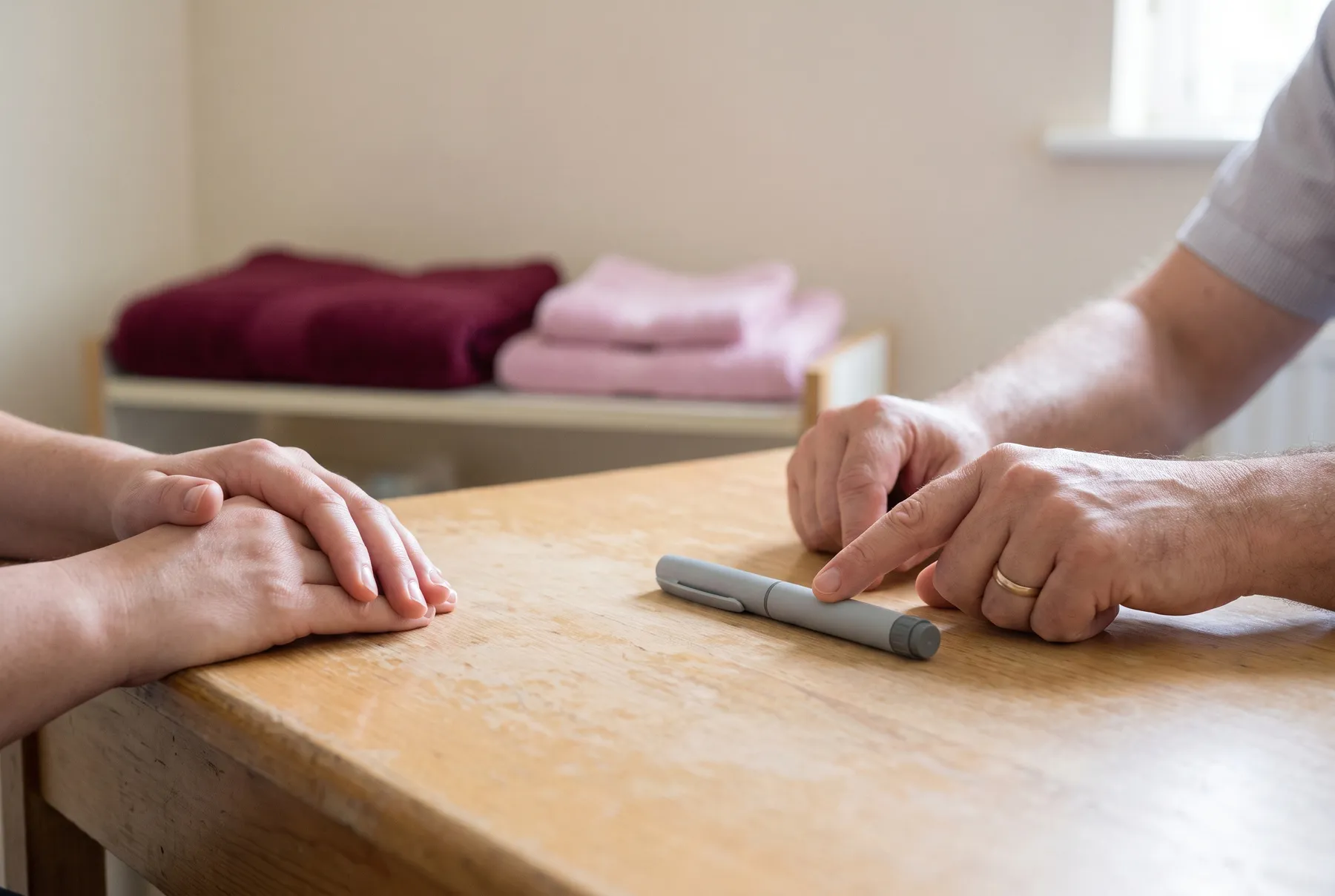
What is diabetes follow-up?
Diabetes follow-up is the measurement of blood sugar values and of the factors that accompany diabetes at set intervals, so that their course can be monitored. Follow-up covers not only blood sugar but also blood pressure, blood lipids, kidney function, and examination of the eyes and feet. The aim is to see the direction over time rather than a single measurement.
Diabetes is a common disease. The World Health Organization (opens in a new tab) reports that the number of people living with diabetes rose from 200 million in 1990 to 830 million in 2022, that more than 95% of cases are type 2 diabetes, and that 59% of adults aged 30 and over living with diabetes were not taking medication for it in 2022.
The same source states that in 2021 diabetes led directly to 1.6 million deaths, and that approximately half of these occurred before the age of 70. This is why continuity in follow-up is decisive.
Diabetes is one of the four main disease groups that the World Health Organization lists under noncommunicable diseases (opens in a new tab); the same body reports that these four groups account for 80% of noncommunicable disease deaths before the age of 70.
What is monitored at follow-up?
| Topic | Why it is monitored |
|---|---|
| Fasting and post-meal blood sugar | Because it shows the course during the day |
| HbA1c | Because it shows the average course over recent months |
| Blood pressure | Because it frequently accompanies diabetes and increases risk |
| Lipid profile | Because blood lipids are assessed together with it |
| Kidney function tests and protein in the urine | Because they detect the effects of diabetes on the kidneys early |
| Examination of the feet | Because it assesses loss of sensation and the risk of wounds |
| Examination of the eyes | Because diabetes can affect the retina (the assessment is carried out by the relevant specialty) |
| Weight and waist circumference | Because they show the metabolic course |
Which of them are requested, and how often, is determined according to the person.
How is follow-up carried out?
- Recording the current situation. The date of diagnosis, the medicines being taken and their doses, home measurement records, previous episodes of low blood sugar, and co-existing conditions.
- Measurements and examination. Blood pressure, weight, waist circumference, examination of the feet and a systemic examination.
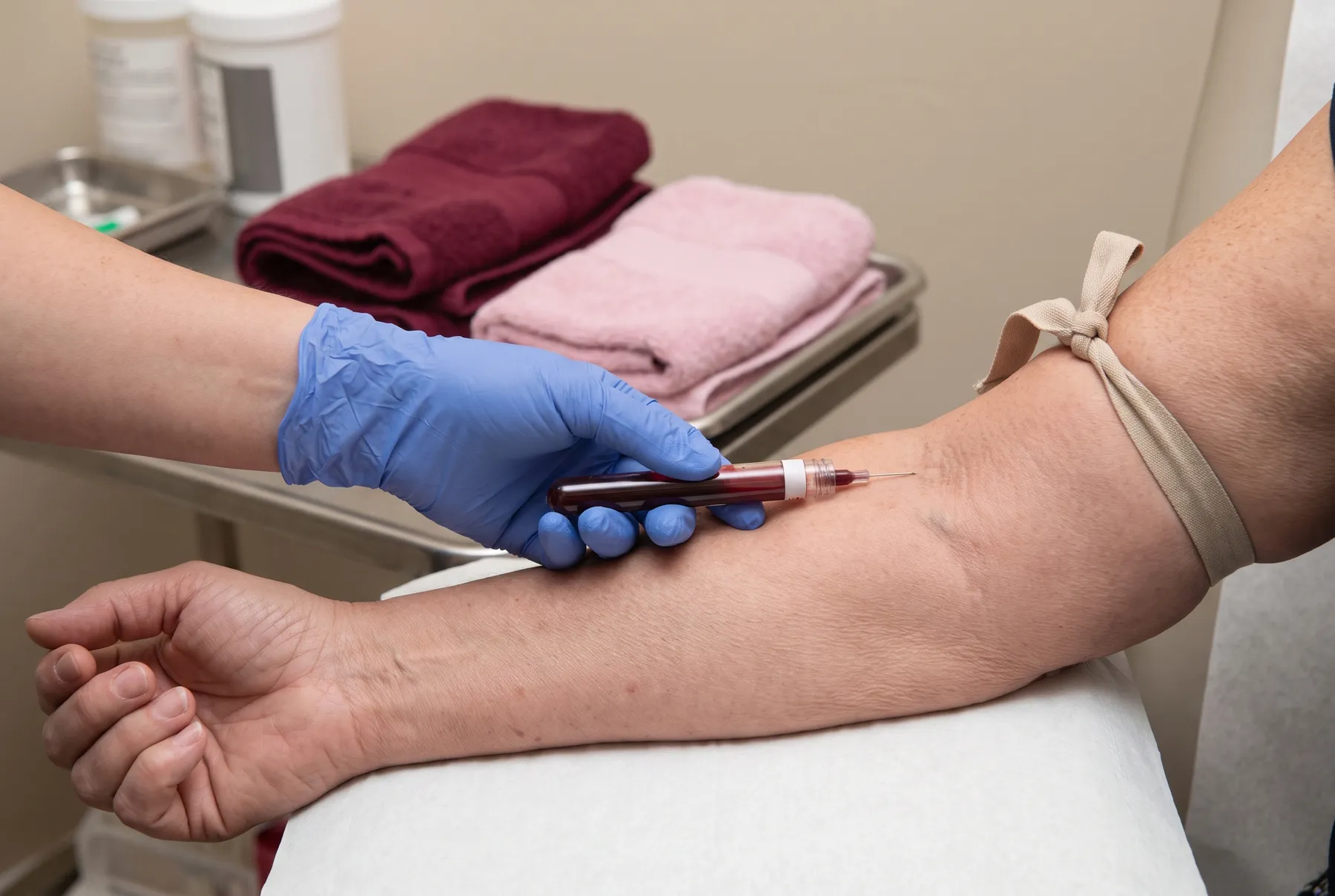
- Laboratory assessment.
- Reviewing lifestyle.
- Updating the plan. If necessary the medication is adjusted, the follow-up interval is set and the plan is given in writing.
In which patients is follow-up different?
- In pregnant patients and in patients planning a pregnancy, the targets and the medicines that can be used are different; follow-up is carried out together with obstetrics and gynaecology
- In patients with type 1 diabetes, the approach to follow-up and treatment is different
- In patients with advanced kidney failure, the choice of medicine and the dose change
- In patients who frequently have low blood sugar, the targets may be relaxed on an individual basis
- In patients over 65 and in patients taking more than one medicine, the targets are determined according to the person
- During periods of active infection, surgery or severe illness blood sugar may rise temporarily, and the plan is adjusted accordingly
- In patients under 18 years of age, care lies within the field of paediatric endocrinology
How often is follow-up needed?
Because every patient’s course unfolds differently, it would be wrong to give a definite answer to this question. In patients who have been newly diagnosed or whose medication has been adjusted, the interval may be shorter, and in those whose course is stable it may be longer. How often the follow-ups take place is reassessed at each visit.
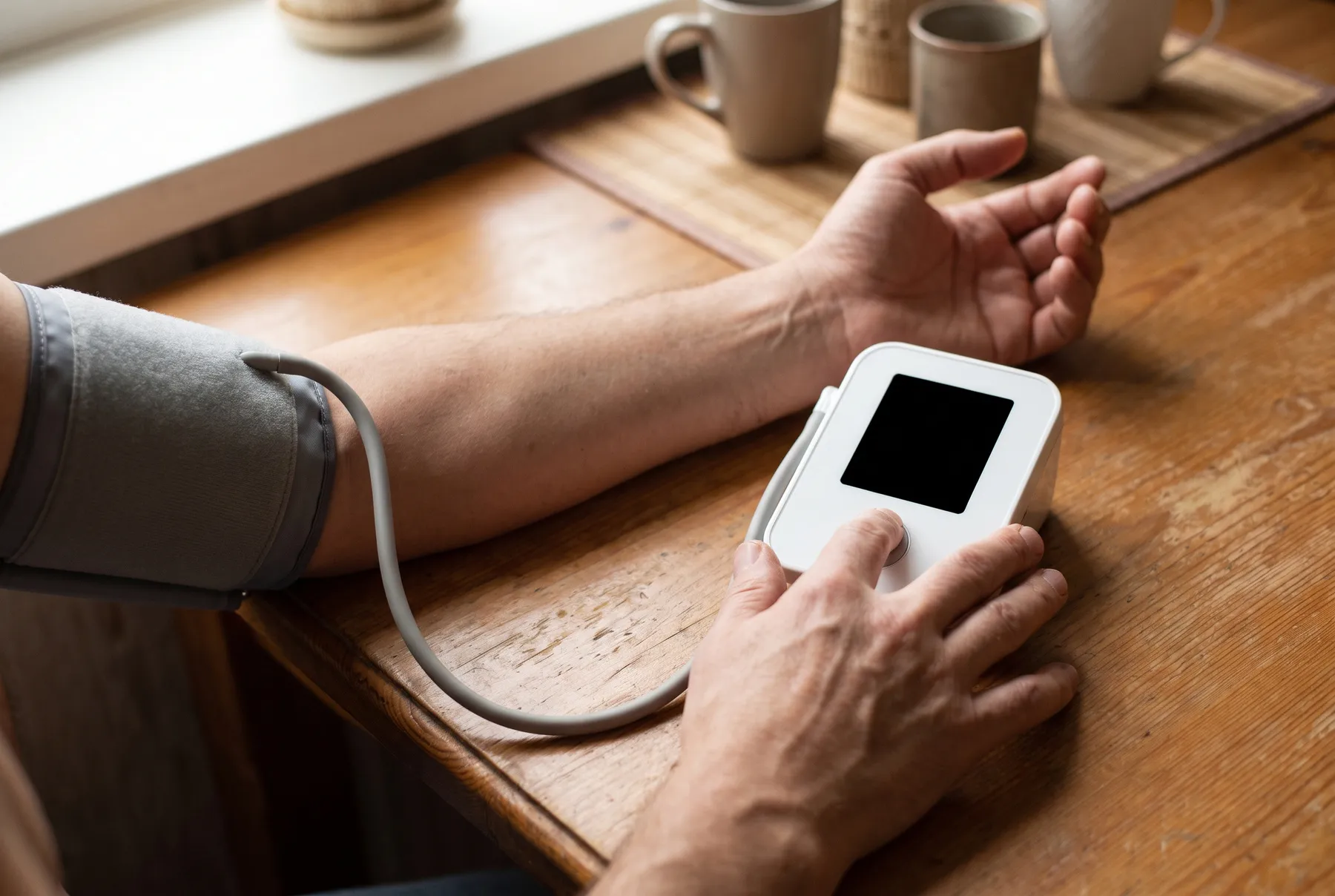
Recording home measurements between appointments is the most valuable part of follow-up.
What should you do before and after a follow-up visit?
When you come for a follow-up, bring:
- The boxes or a list of all your current medication
- Your home blood sugar and blood pressure records
- Your most recent test results
- Your eye examination report, if you have one
Ask when you make your appointment whether you need to come fasting; in diabetes a long fast may not be suitable.
After the follow-up, the updated plan is given in writing. If a change of medication has been made, how it is to be applied is explained. The time of the next follow-up is set.
Risks and points to be aware of
An excessive fall in blood sugar (hypoglycaemia) is a serious situation. Its symptoms are shaking, sweating, palpitations, a feeling of hunger, blurred vision and irritability. In this situation a rapidly absorbed carbohydrate should be taken and the physician should then be informed.
Do not change, reduce or stop your medicine on your own initiative. How your medication is to be adjusted when a meal is missed should be discussed with your physician in advance.
Consult your physician before fasting, changing your diet or taking vigorous exercise. These may markedly alter the course of your blood sugar.
Foot care is part of follow-up. If a wound, a crack, a change in colour or loss of sensation is noticed on the foot, it should be reported without delay.
Herbal products and supplements may affect blood sugar. Tell your physician about every product you take.
Results vary from person to person.
When should you see a physician without delay?
If you notice these symptoms, consult a physician without delay:
- Recurrence of the symptoms of low blood sugar
- Blood sugar that runs persistently high on home measurements
- A wound, redness, swelling or a change in colour on the foot
- A newly noticed change in vision
- Blood sugar that cannot be controlled during a febrile illness
- New-onset numbness in the hands and feet
In the event of nausea, vomiting, abdominal pain and deep breathing occurring together, sudden loss of vision, confusion, fainting, severe weakness or shortness of breath, go directly to the emergency department.
Frequently asked questions
In diabetes, how often should I come for a follow-up?
Because every patient’s course unfolds differently, it would be wrong to give a definite answer to this question. In patients who have been newly diagnosed or whose medication has been adjusted, follow-ups may be more frequent, and in those whose course is stable they may be less frequent. Your physician reassesses the interval at each follow-up.
Should I measure my blood sugar at home?
This is determined according to the medicine you take and your clinical picture. If measurements are to be taken, your physician will tell you at which times and how often. Record all the measurements, not only the high ones.
What is HbA1c?
It is a test that gives information about the average course of blood sugar over recent months. Unlike a measurement taken on a single day, it reflects a longer period. The target value is determined according to the person and is not the same for everyone.
Can I stop my diabetes medicine?
Reducing or stopping a medicine happens only following an assessment by a physician. After weight loss and changes to lifestyle, a dose adjustment may be considered in some patients; this decision is made by looking at the measurements. Do not stop it on your own initiative.
Can I fast?
This is assessed according to the medicine you take, the course of your blood sugar and your co-existing conditions. There is no single answer for everyone. If you are thinking of fasting, make an appointment in advance; your medication routine may need to be adjusted.
Can I eat sweet foods?
The nutrition plan is drawn up according to the person and is not given purely in the form of a list of prohibitions. Meal routine, portion size and content are planned together. If detailed nutritional work is needed, that process is planned separately.
Sources
- World Health Organization, Diabetes fact sheet, 14 November 2024. https://www.who.int/news-room/fact-sheets/detail/diabetes (opens in a new tab)
- World Health Organization, Noncommunicable diseases fact sheet, 25 September 2025. https://www.who.int/news-room/fact-sheets/detail/noncommunicable-diseases (opens in a new tab)