What is major ozone therapy (autohaemotherapy)?
In the Ozone Application Guideline (opens in a new tab) of the Ministry of Health of the Republic of Türkiye, the procedure is called major autohaemotherapy. The guideline defines it as “the procedure in which 50–250 ml of blood taken by the venous route is mixed with ozone gas at a suitable dose and volume produced by a medical ozone device and is then returned to the patient by the intravenous route, using ozone-resistant, single-use sterile materials.”
As defined in the guideline, ozone application rests on the principle of “converting oxygen obtained from a pure medical oxygen source, by means of a medical ozone device, into an ozone-oxygen mixture in gaseous form, and administering this mixture to the patient by various routes.”
The procedure may be performed only by physicians who hold the relevant certificate, at premises authorised by the Ministry.
When is the procedure considered?
The indication list of the Ozone Application Guideline includes, among others:
- Rheumatoid arthritis, ankylosing spondylitis, Sjögren’s syndrome
- Low back pain, neck pain, osteoarthrosis of the knee
- Fibromyalgia, carpal tunnel syndrome, lateral epicondylitis
- Ulcerative colitis, Crohn’s disease
- Eczema and dermatitis, acne rosacea, psoriasis
- Asthma, chronic obstructive pulmonary disease
- Headache, multiple sclerosis
- Obesity, cirrhosis of the liver, atherosclerosis obliterans
- Weakness and fatigue
- Candidiasis, in reducing the pain of herpes zoster infection
- In patients with breast and prostate cancer (with the opinion of the relevant specialist physician)
The fact that a condition appears in this list does not mean that the procedure will treat it. The decision on suitability is made at the end of the examination, and the procedure is planned with the aim of supporting treatment that is already under way.
In which patients is the procedure not performed?
The patient groups in whom the procedure cannot be performed under the Ozone Application Guideline are listed below:
- Patients with glucose-6-phosphate dehydrogenase enzyme deficiency
- Patients with uncontrolled hyperthyroidism (Basedow-Graves type)
- Pregnant patients
- Patients with malignant hypertension
- Patients with active and heavy bleeding
- Patients with profound thrombocytopenia
- Patients in the acute phase of conditions such as cerebral haemorrhage and heart attack
- Patients with acute alcohol poisoning
A further limit stated by the guideline: because of the risk of gas embolism, medical ozone gas is not administered directly into a blood vessel (intra-arterial and intravenous). What is given to the patient in major ozone therapy (autohaemotherapy) is not gas; it is the patient’s own blood, processed with ozone.
Suitability is assessed separately in these patients:
- Patients with a bleeding or clotting disorder
- Patients with a chronic condition (because of general medication interactions)
- Patients receiving intravenous copper or iron treatment
- Patients with haemochromatosis
In accordance with the guideline, in patients under 18 years of age, in oncology patients (with the opinion of the specialist physician primarily responsible for the treatment), in patients of advanced age and in patients during an acute flare of a chronic condition, the procedure is carried out with the opinion of the relevant specialist physician.
How is the procedure performed?
- Assessment and the decision on suitability. A detailed history is taken and the history form is added to the file. If considered necessary, laboratory investigations are requested.
- Information and consent. The procedure, the method of application, the points to be aware of and the possible side effects are explained in writing and verbally; the information form is completed and signed.
- Obtaining venous access and taking blood. The determined volume of blood is drawn into sterile, ozone-resistant material.
- Ozonation. The ozone-oxygen mixture produced by the medical ozone device, at a suitable dose and volume, is mixed with the blood.
- Return to the patient. The mixture is returned to the patient by the venous route. In accordance with the guideline, a filter is used at this stage.
- Observation. The patient is kept under observation after the procedure; vital signs are recorded.
All materials used are single-use and ozone-resistant. The device and the materials must be registered in the Product Tracking System. The area where the procedure is performed is well ventilated.
How long does it take, and how many sessions are needed?
The number of sessions and the interval between them are determined according to the person, the indication and the outcome of the assessment; a definite number cannot be given in advance. At each session the vital signs, the examination findings, the technique used and the side effects observed are recorded in the patient’s file, and the plan is reviewed accordingly.
What should you do before and after the procedure?
Before: the preparation set out in the guideline:
- You should come to the session having eaten a light meal. Coming on an empty stomach is not recommended.
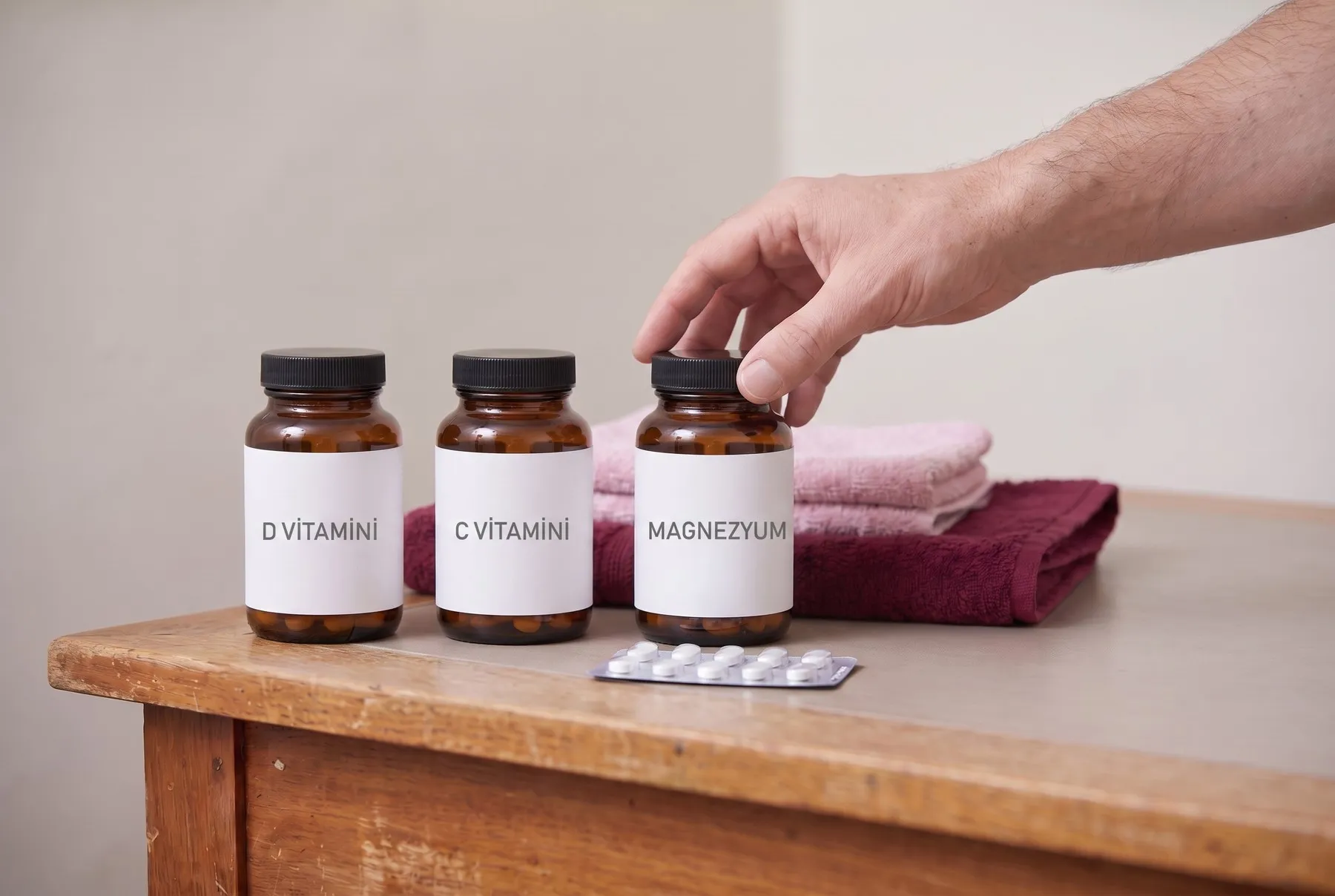
- A list of all the medicines and supplements you use should be brought
- Your known allergies and the illnesses you have had should be reported
- Pregnancy, or a suspicion of pregnancy, must be stated without fail
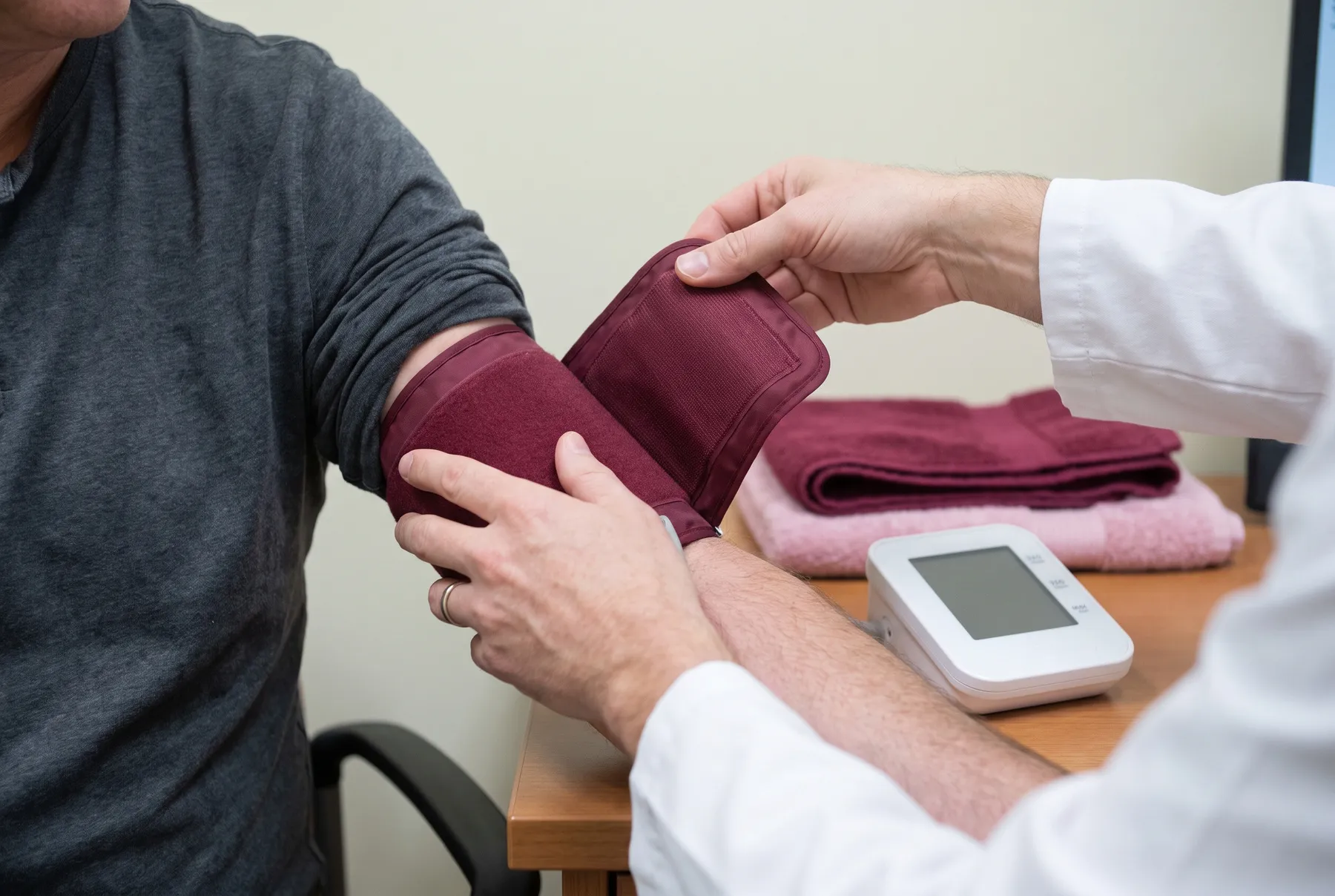
After: there may be tenderness and bruising at the application site. Recommendations specific to you are given in writing at the end of the procedure.
Risks and side effects
The side effects reported by the guideline for ozone applications:
Commonly seen
- Low or high blood pressure
- Low or high blood sugar
- Citrate allergy
- Particle reactions
- Gas-air embolism
- Itching and papules at the application site
- Insomnia
- Gastritis
- Palpitations
- Dizziness
Rarely seen: air embolism, intraocular haemorrhage.
Problems that may relate to the venous access: failure to find a suitable vein, puncture of the vein, the needle coming out of the vein and blockage of the venous access.
An important safety rule: the guideline states that placing any medicine into an ozonated solution leads to problems. Certain medicinal and vitamin preparations must not be mixed with ozone, must not be given at the same time as the ozone application and must not be combined in the same syringe; otherwise they may become ineffective, or unwanted compounds may form.
If side effects continue after the session, a further assessment is made and, if necessary, the application is discontinued.
Results vary from person to person.
When should you see a physician without delay?
If you experience these symptoms during treatment, contact your physician without delay:
- Increasing redness, increased warmth, swelling or discharge at the site of the application
- A high fever
- Marked palpitations
- Dizziness, a feeling of faintness, weakness
- Widespread rash, itching
- Swelling, pain and redness in the arm
In the event of shortness of breath, swelling of the face or tongue, chest pain or tightness in the chest, sudden difficulty in speaking, loss of vision, altered consciousness or fainting, go directly to the emergency department.
Frequently asked questions
What is done in major ozone therapy (autohaemotherapy)?
As defined in the guideline, a certain volume of blood taken by the venous route is mixed with the ozone-oxygen mixture produced by a medical ozone device and is returned to the patient by the venous route with sterile, single-use materials. No gas is given to the patient.
Will major ozone therapy eliminate my disease?
No; no such statement may be made. The Ministry of Health guideline states this explicitly: “No statements may be made to the effect that it will eliminate a disease or treat it on its own.” The procedure is carried out with the aim of supporting treatment that is already under way, and only if it is considered suitable following the physician’s assessment.
How many sessions are needed for major ozone therapy?
A definite number of sessions cannot be given in advance. The number of sessions and the interval between them are determined according to your indication and the outcome of the assessment, and are reviewed at each session.
Should I come to major ozone therapy on an empty stomach?
No. The guideline provides for the patient to come to the session having eaten a light meal. Going without food for a long time is not recommended; low blood sugar is among the side effects reported.
Is major ozone therapy performed during pregnancy?
No. The guideline lists pregnancy among the situations in which it cannot be performed. If you suspect that you may be pregnant, please state this at the beginning of the consultation.
Do I need to tell you about the vitamins and supplements I use?
Yes, it is necessary. The guideline states that certain medicinal and vitamin preparations must not be mixed with ozone and must not be applied at the same time. Please report every product you use.
Who may perform ozone applications?
Only physicians who have attended a certificate programme approved by the Ministry of Health and have been authorised by the Ministry to perform the procedure may do so, at authorised premises. A certificate does not confer the title of “specialist” on a physician.
Sources
- Ministry of Health of the Republic of Türkiye, General Directorate of Health Services, Ozon Uygulama Kılavuzu, Ankara, June 2025. https://ekutuphane.saglik.gov.tr/Yayin/697 (opens in a new tab)
- Ministry of Health of the Republic of Türkiye, Geleneksel ve Tamamlayıcı Tıp Uygulamaları Yönetmeliği, Official Gazette 28 April 2026 / 33237 (this repealed the regulation dated 27 October 2014, number 29158, Art. 19). https://www.resmigazete.gov.tr/eskiler/2026/04/20260428-2.htm (opens in a new tab)