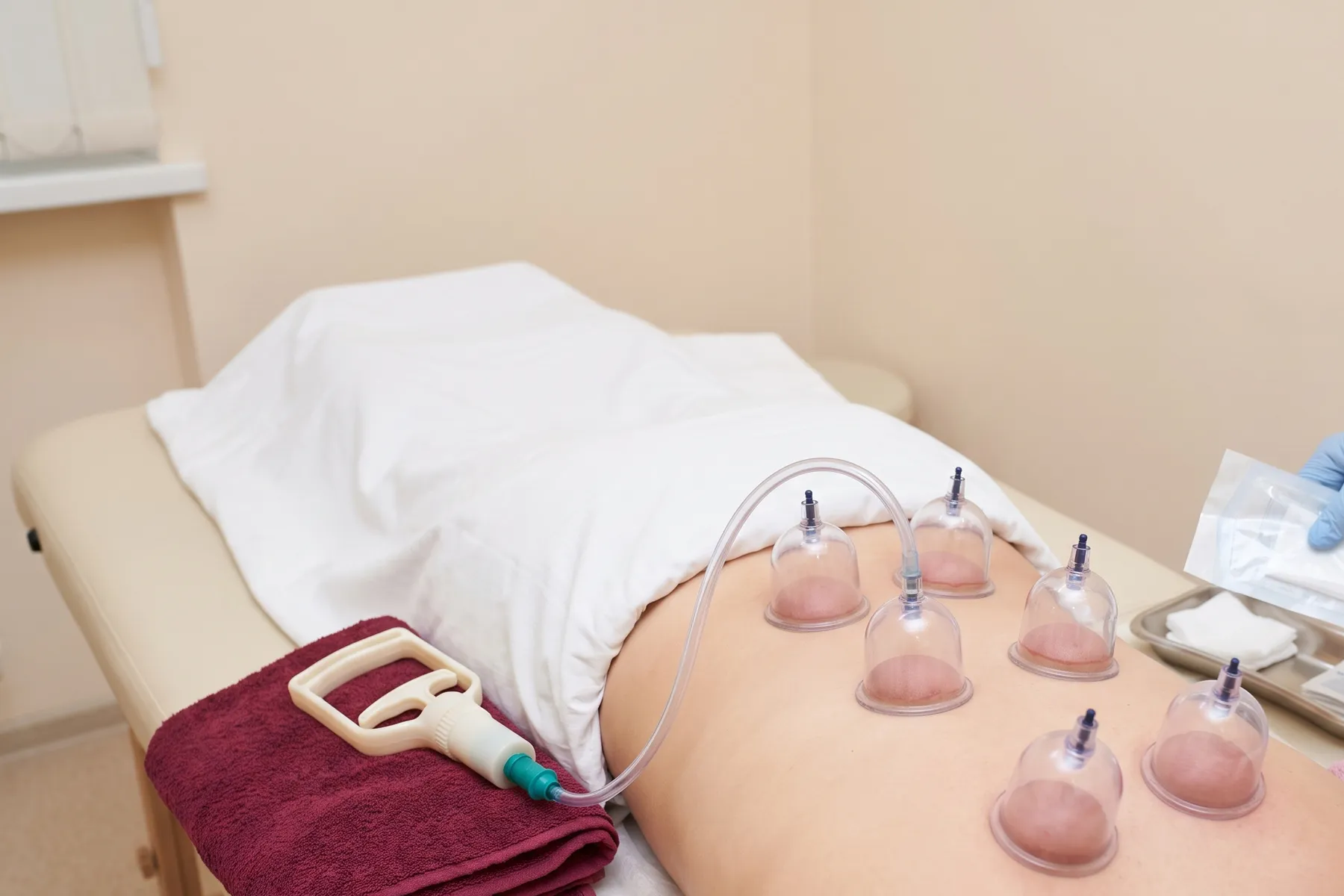
What is hijama?
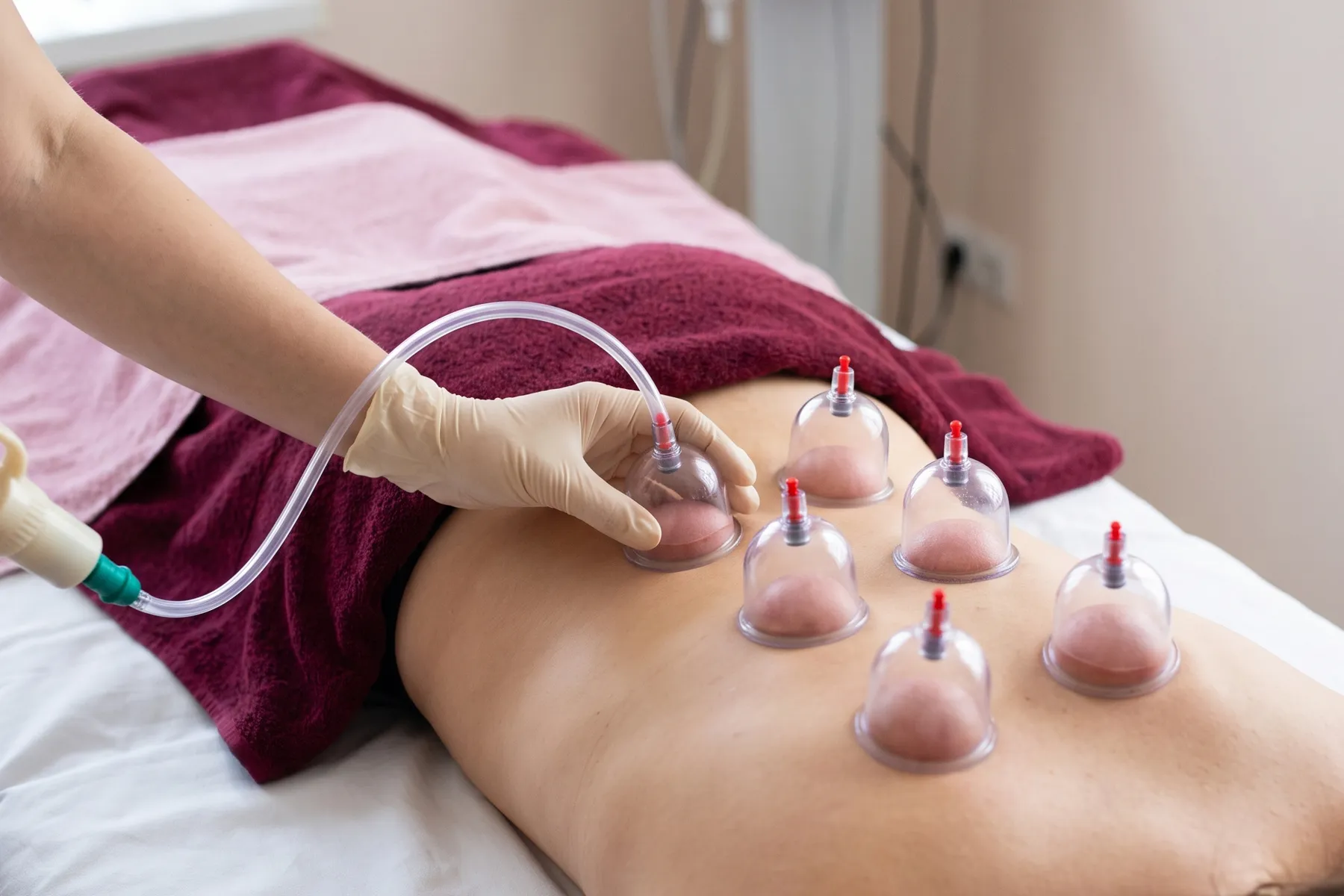
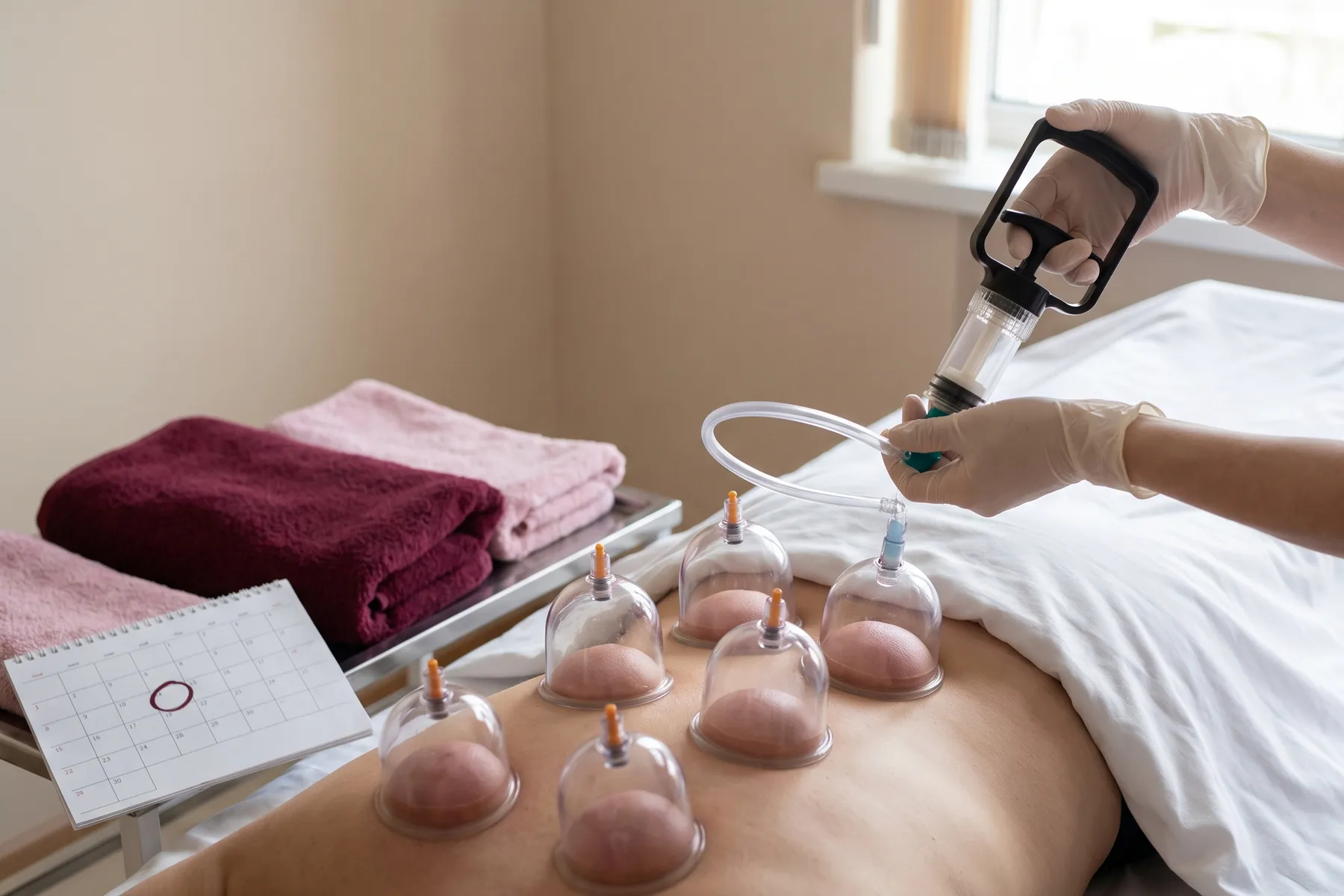
As defined in the Cupping Application Guideline (opens in a new tab) of the Ministry of Health of the Republic of Türkiye, the cupping application is “a holistic application method carried out by placing cups of various sizes on designated areas of the body and applying a vacuum.” In the application the guideline defines as wet cupping, and which is widely known as hijama, superficial incisions are made in the skin before the cup is placed.
The application may be performed only by physicians who hold the relevant certificate, and only at premises authorised by the Ministry.
When is the procedure considered?
The conditions included in the guideline’s list of indications are as follows:
- Asthma
- Musculoskeletal system problems
- Fibromyalgia syndrome
- Diseases of the digestive system
- Non-organic headaches such as migraine and tension-type headache
- Hypertension
- Diabetes mellitus
- Obesity
- Gynaecological diseases and infertility (with the opinion of a specialist in obstetrics and gynaecology)
- Depression and anxiety disorders
- Bell’s palsy (with the opinion of the relevant specialist physician)
The presence of a condition in this list does not mean that the application will treat that disease. The decision on suitability is made at the end of the examination, in the guideline’s words “according to the patient’s clinical condition”.
In which patients is the procedure not performed?
The patient groups in whom the procedure cannot be performed under the Cupping Application Guideline are listed below:
- In patients with a low haemoglobin value (below the threshold specified in the guideline)
- In patients with infection, abscess, ulcer, an open wound or sunburn on the skin
- In patients with whom cooperation cannot be established
- In patients with low or high blood pressure requiring emergency intervention
- In patients with thrombophlebitis
- In patients with advanced-stage organ failure
- In patients with bleeding and clotting disorders
- In patients receiving chemotherapy
- In patients who have had an organ transplant
- In pregnant patients
- In patients in a medical emergency
Areas where it is not carried out: the hollow of the nape, the navel, the groin area, a hernia sac and areas over varicose veins.
Under the guideline, in patients under the age of 18, in oncology patients, in patients of advanced age and in patients during an acute flare of a chronic disease, the application is performed with the opinion of the relevant specialist physician. In patients in the postpartum period, the opinion of an obstetrics and gynaecology specialist is sought.
Patient groups requiring separate assessment
- Patients whose diabetes is not under control
- Patients whose cardiovascular disease is not under control and patients with a pacemaker
- Patients with a blood-borne disease (hepatitis, HIV)
- Patients using blood-thinning or anticoagulant medicines
- Patients who have recently had surgery
- Patients who are menstruating
- Patients with a bone fracture or a prosthesis
- Patients who have recently donated blood
How is the procedure performed?
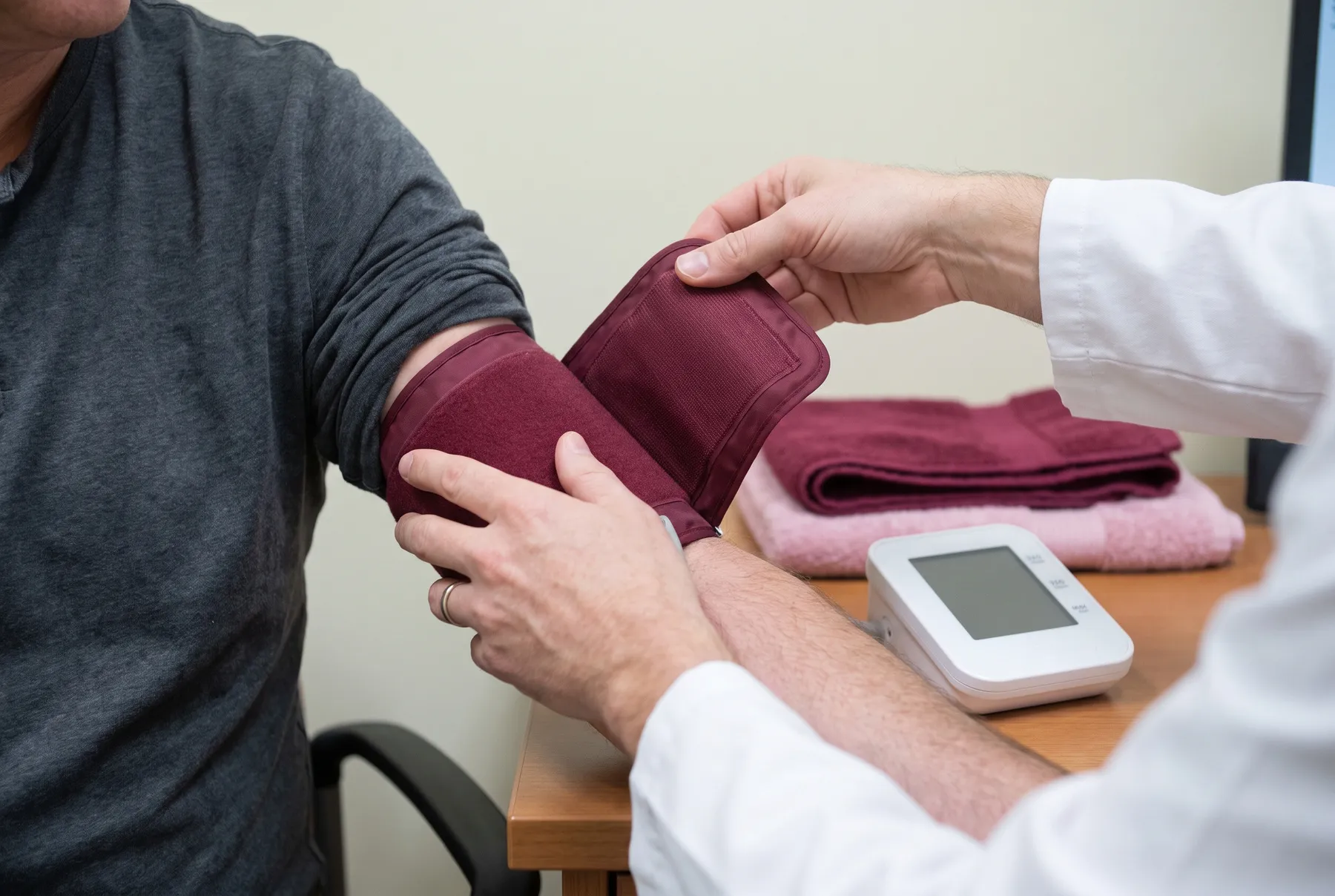
- Assessment and decision on suitability. A history is taken; temperature, blood pressure and pulse are measured. Where necessary, laboratory investigations are requested and infection risk is assessed.
- Information and consent. The nature of the procedure, how it will be performed and its possible complications are explained in writing and verbally; an information form is completed and signed.
- Disinfection of the area.
- Vacuum application. A vacuum is applied to the application area before the incision.
- Superficial incision. Superficial incisions are made in the skin immediately after the cup is lifted; they are confined to the epidermal layer.
- Vacuum application. After the incision the cup is placed again; it remains in place within the time limits defined in the guideline.
- Cleaning and observation. The application area is cleaned and the patient is kept under observation.
Cups and cutting instruments are single-use. Gloves, a mask, protective goggles and a gown are worn during the application. Waste is disposed of in accordance with the Regulation on the Control of Medical Waste.
How long does it take, and how many sessions are needed?
The number of sessions and the interval between them are determined according to the person and the complaint; a definite number cannot be given in advance. At each session the vital signs, the examination findings and any side effects observed are recorded in the patient’s file, and the plan is reviewed accordingly.
What should you do before and after the procedure?
Before the procedure, report:
- A list of all the medicines and supplements you use (blood thinners in particular)
- Your known allergies
- Your most recent test results
The recommendations on nutrition and lifestyle before the application are explained to you separately.
After: the patient information set out in the guideline:
- Rest for approximately 20–30 minutes after the application
- Do not eat for at least 3–4 hours unless it is unavoidable
- Do not let the application area come into contact with water for one day
- Stay alert to adverse changes that may develop in the application area (trauma, circulatory disturbance, haematoma, oedema, graze marks, infection)
Risks and side effects
The guideline states that the side effects of the cupping application are rarely reported and that most are of low to moderate severity. The adverse events reported are:
- Scars
- Stinging pain and bleeding due to the cutting instrument
- Burns (where the vacuum is created using heat)
- Koebner phenomenon (a new skin lesion at the application site)
- Headache
- Dizziness
- Fatigue
- Muscle tension
- Insomnia
- Anaemia
- Nausea
- Formation of large blisters (bullae)
- Bruising (haematoma)
- Itching, pain, abscess formation
- Skin infection
- Inflammation of the fat under the skin (panniculitis)
- Allergic reaction to the substances used
- Thrombophlebitis and pulmonary embolism
- Dark discolouration of the skin (hyperpigmentation)
- Vasovagal syncope (fainting)
If side effects persist after the session, a fresh assessment is made and, where necessary, the application is discontinued. In situations that may be life-threatening, 112 is called and the patient is referred to a more advanced centre.
Results vary from person to person.
When should you see a physician without delay?
If you experience these symptoms during treatment, contact your physician without delay:
- Increasing redness, increased warmth, swelling or discharge in the application area
- A high fever
- Progressively increasing pain in the area
- A widespread rash or itching
- Swelling, redness and pain in the leg
- Marked weakness, palpitations, dizziness
In the event of shortness of breath, chest pain, bleeding that does not stop, altered consciousness or fainting, go directly to the emergency department.
Frequently asked questions
Will hacamat eliminate my disease?
No; no such statement may be made. The Ministry of Health guideline (opens in a new tab) says so explicitly: “No statements may be made to the effect that it will eliminate a disease or treat it on its own.” The application is performed to support the existing treatment, and only where the physician’s assessment finds it suitable.
How many sessions are needed for hijama?
A definite number of sessions cannot be given in advance. The number of sessions and the interval between them are determined according to your complaint and the result of the assessment, and they are reviewed at each session.
Are particular days preferred for hacamat?
In traditional practice, certain days of the lunar (Hijri) month are preferred. The Gregorian dates of these days are listed month by month on the Hijama Calendar page. Whether the procedure is suitable for you, and when it is performed, are determined by examination, not by the calendar.
Can hijama be performed during pregnancy?
No. The guideline states that the application cannot be performed in pregnancy. If you think you may be pregnant, please say so at the start of the consultation. During the postpartum period, the application is assessed with the opinion of an obstetrics and gynaecology specialist.
I take a blood thinner; can hijama be performed?
The use of blood-thinning and anticoagulant medicines is among the situations the guideline requires to be assessed separately. Do not stop your current medication on your own initiative; the decision on suitability is made at the end of the examination.
Is hijama painful?
There may be a stinging sensation during the incision; this varies from person to person. The guideline lists stinging pain due to the cutting instrument among the reported side effects. What you may feel is explained to you before the application.
Who can perform hijama?
Only physicians who have attended a certificate programme approved by the Ministry of Health, and who have been granted the Ministry’s authorisation, may perform the application. The guideline states explicitly that non-physician practitioners do not have the authority to establish an indication, and that certified practitioners may not be given designations such as “specialist” or “traditional and complementary medicine specialist”.
What should I do after the application?
You are advised to rest for approximately 20–30 minutes, not to eat for at least 3–4 hours unless it is unavoidable, and not to let the application area come into contact with water for one day. Recommendations specific to you are also given at the end of the application.
Sources
- Ministry of Health of the Republic of Türkiye, General Directorate of Health Services, Department of Traditional, Complementary and Functional Medicine Practices, Kupa Uygulama Kılavuzu, Ankara, June 2025 (Publication No 1320, ISBN 978-975-590-934-9). https://ekutuphane.saglik.gov.tr/Yayin/691 (opens in a new tab)
- Ministry of Health of the Republic of Türkiye, Geleneksel ve Tamamlayıcı Tıp Uygulamaları Yönetmeliği, Official Gazette 28 April 2026 / 33237 (repealed the regulation dated 27 October 2014 and numbered 29158, Art. 19). https://www.resmigazete.gov.tr/eskiler/2026/04/20260428-2.htm (opens in a new tab)