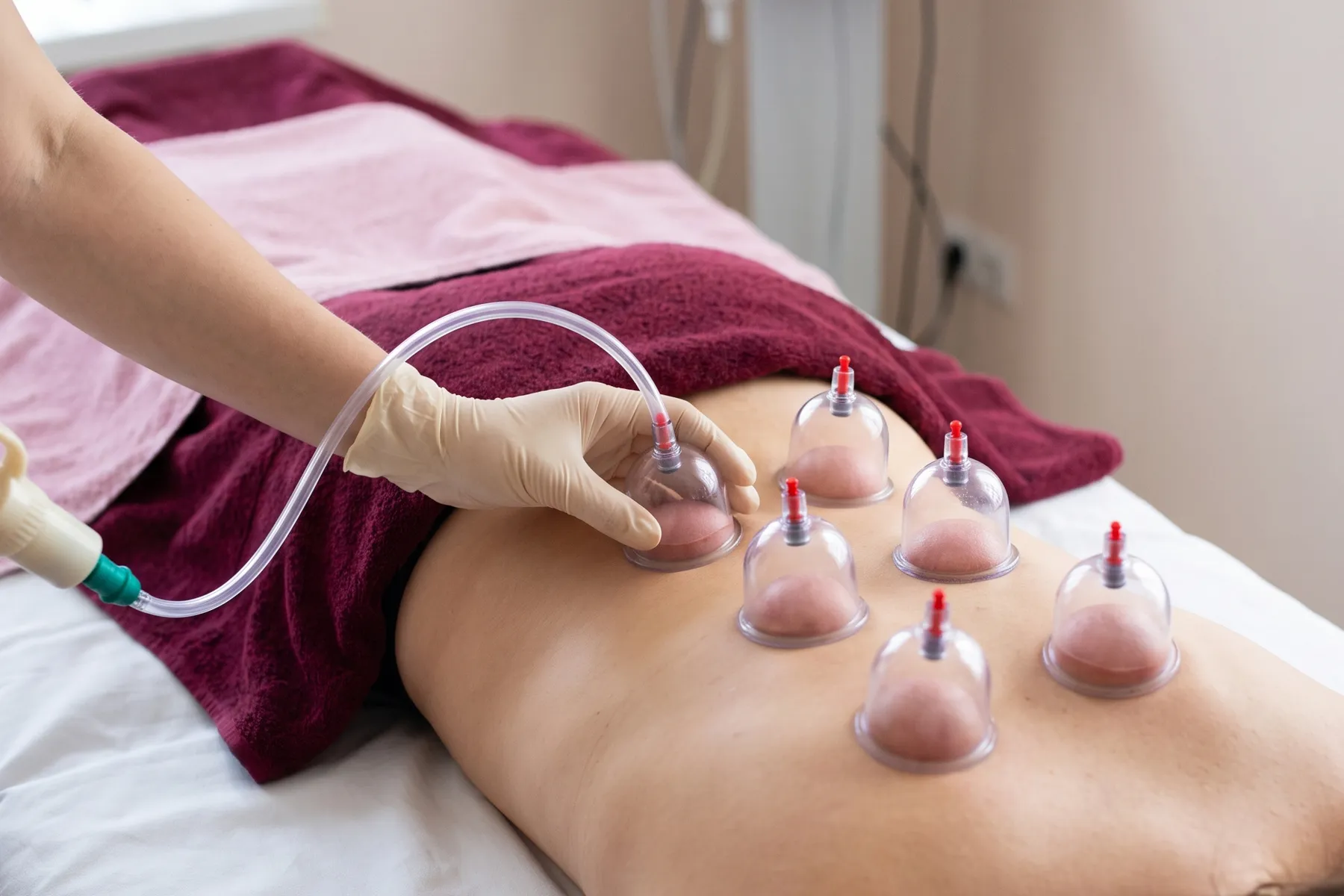
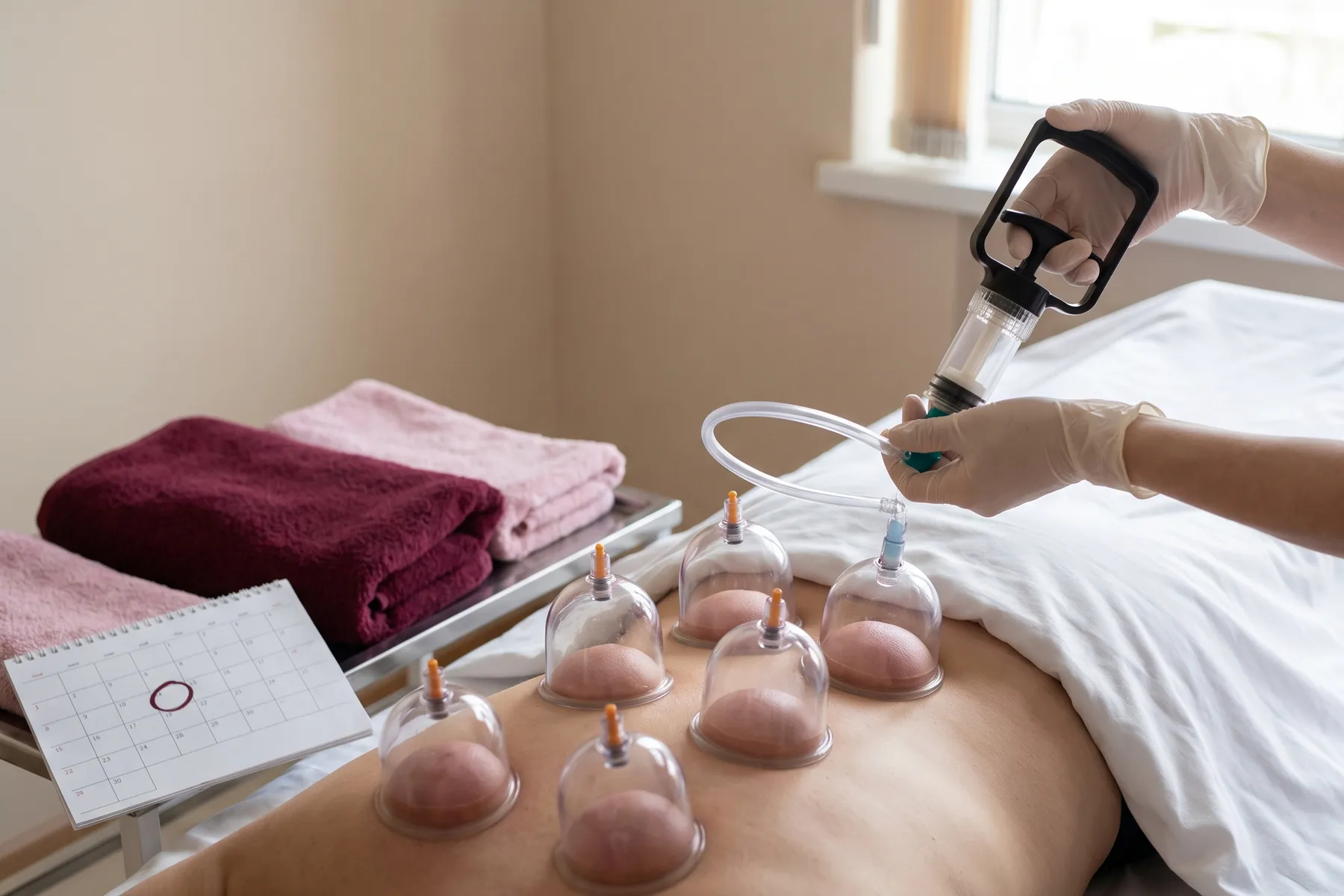
Cupping therapy, known in Turkish as hacamat, is a Traditional and Complementary Medicine procedure. This article explains who may carry it out and where.
The short answer
Cupping therapy may only be performed by physicians who have completed the relevant certificate programme and been authorised by the Ministry of Health, and only in places the Ministry has authorised. No one else, and no other setting, has the authority to carry it out.
This is not a matter of preference. It is what the regulation requires.
Why does this question matter?
In hijama, a superficial incision is made in the skin. That makes it a procedure involving contact with blood. For this reason the Cupping Application Guideline (opens in a new tab) of the Ministry of Health of the Republic of Türkiye requires gloves, a mask, protective eyewear and a gown during the procedure, and requires the cups and cutting instruments to be single-use.
The unwanted outcomes the guideline lists include skin infection, abscess formation, conditions that carry a risk in terms of blood-borne diseases, and thrombophlebitis. All of these depend directly on the hygiene and authorisation conditions of the place where the procedure is carried out.
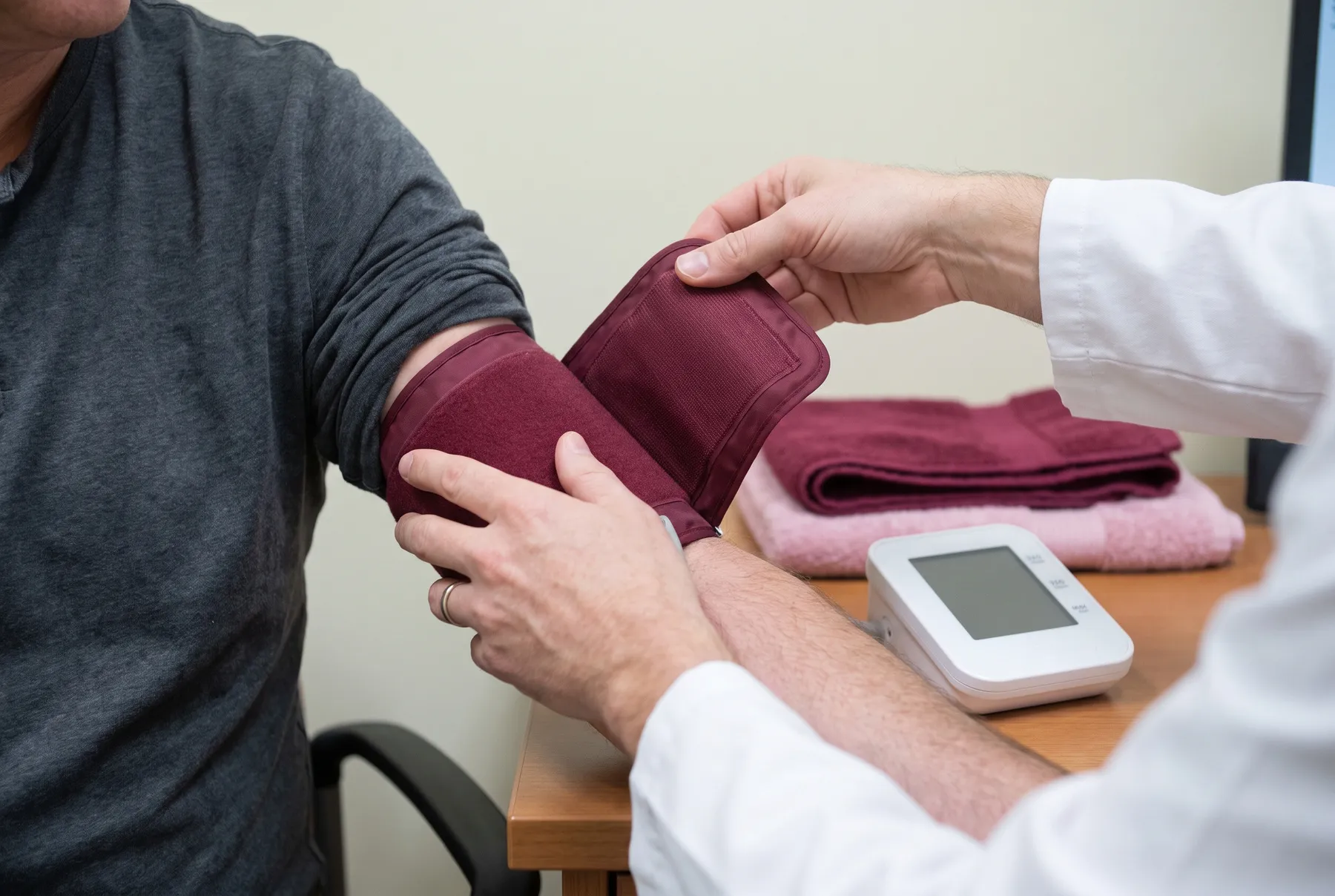
The second reason is that deciding who the procedure is suitable for is a medical decision. The guideline states plainly that practitioners who are not physicians do not have the authority to decide in which patients the procedure is medically appropriate (to establish an indication). Suitability is decided by taking a history, measuring temperature, blood pressure and pulse, and requesting laboratory tests where necessary.
In which patients does this question matter even more?
Assessment by an authorised physician carries particular weight in the following situations:
- In patients taking blood thinners or anticoagulants
- In patients with a bleeding or clotting disorder
- In patients whose blood sugar or blood pressure is not under control
- In patients who are pregnant or in the postpartum period
- In patients with cardiovascular disease and in patients with a pacemaker
- In patients with an oncological condition and in patients who have had an organ transplant
- In patients under 18 and in older patients
You can read all of these headings, and the situations in which the procedure is not carried out under any circumstances, on the Hijama page.
What can you ask beforehand?
It is reasonable to ask the following when you book an appointment, or at the start of the consultation. These are not awkward questions; the physician carrying out the procedure also wants this information shared.
- Is the person carrying out the procedure a physician? Cupping therapy is a physician’s work.
- Is there a certificate authorising the procedure, and which institution issued it?
- Is the place where the procedure will be carried out authorised for it?
- Are the cups and cutting instruments single-use?
- Will a history be taken and will temperature, blood pressure and pulse be measured beforehand?
- Will an informed consent form be signed? The guideline requires the nature of the procedure, how it will be carried out and its possible complications to be explained both in writing and verbally, and the form to be signed.
- Will the procedure be recorded? At every session, vital signs, examination findings and any side effects observed are entered in the patient’s file.
If you cannot get a clear answer to any of these, it is sensible to stop and think before going ahead.
Points to be aware of, and the limits
A certificate is not a specialty title. The Cupping Application Guideline states plainly that certified practitioners may not be described as a “specialist” or a “specialist in traditional and complementary medicine”. Presenting oneself in those terms does not comply with the regulation.
The procedure does not replace your existing treatment. The guideline defines its purpose as “supporting existing treatment” and draws this line: “No claim may be made that it will eliminate a disease or treat it on its own.” The Regulation on Traditional and Complementary Medicine Practices likewise states that such procedures may not be carried out “in a way that disrupts or delays other medical treatments”.
Do not stop your medicines on your own initiative. Having a procedure does not mean the medicines you take should be stopped.
Cupping is not carried out at home. The place where it is carried out being authorised is one of the conditions the guideline requires.
When should you see a physician without delay?
If you experience these symptoms during treatment, contact your physician without delay:
- Increasing redness, warmth, swelling or discharge at the site
- A high fever
- Pain at the site that keeps increasing
- A widespread rash or itching
- Swelling, redness and pain in the leg
- Marked weakness, palpitations or dizziness
In the event of shortness of breath, chest pain, bleeding that does not stop, a change in consciousness or fainting, go directly to the emergency department.
If you had the procedure done by an unauthorised person or in an unauthorised place and any of these symptoms appears, do not hesitate to say so. For the assessment to be made correctly, it needs to be known when, where and how the procedure was carried out.
Frequently asked questions
Can people who are not physicians perform cupping therapy?
No. The Cupping Application Guideline states that the procedure may only be performed by physicians holding the relevant certificate, and only in places authorised by the Ministry. The guideline also states plainly that practitioners who are not physicians do not have the authority to decide in which patients the procedure is medically appropriate (to establish an indication).
Can someone who performs cupping therapy be called a “specialist”?
No. The guideline states that certified practitioners may not be described as a “specialist” or a “specialist in traditional and complementary medicine”. A certificate does not create a specialty title.
How can I tell whether the place is authorised?
You can ask directly. The place where the procedure will be carried out has to be authorised for it by the Ministry. If you cannot get a clear answer, it is sensible to wait before going ahead.
Are the materials used in cupping therapy single-use?
Yes. The guideline requires the cups and cutting instruments to be single-use, gloves, a mask, protective eyewear and a gown to be worn during the procedure, and waste to be disposed of under the Regulation on the Control of Medical Waste.
Do I need to sign a consent form beforehand?
Yes. The guideline requires the nature of the procedure, how it will be carried out and its possible complications to be explained in writing and verbally, and the information form to be completed and signed.
Does cupping therapy replace the medicines I take?
No. The guideline defines the purpose of the procedure as supporting existing treatment. The Regulation on Traditional and Complementary Medicine Practices also states that such procedures may not be carried out in a way that disrupts or delays other medical treatments. Do not stop your medicines on your own initiative.
Can cupping therapy be carried out at home?
No. It has to be carried out in a place authorised by the Ministry. Because a superficial incision is made in the skin in hijama, hygiene conditions, the use of single-use materials and waste disposal carry particular weight.
Sources
- Ministry of Health of the Republic of Türkiye, Directorate General of Health Services, Department of Traditional, Complementary and Functional Medicine Practices, Cupping Application Guideline, Ankara, June 2025 (Publication No 1320, ISBN 978-975-590-934-9). https://shgmgetatdb.saglik.gov.tr/ (opens in a new tab)
- Ministry of Health of the Republic of Türkiye, Regulation on Traditional and Complementary Medicine Practices, Official Gazette 28 April 2026 / 33237. https://www.resmigazete.gov.tr/eskiler/2026/04/20260428-2.htm (opens in a new tab)