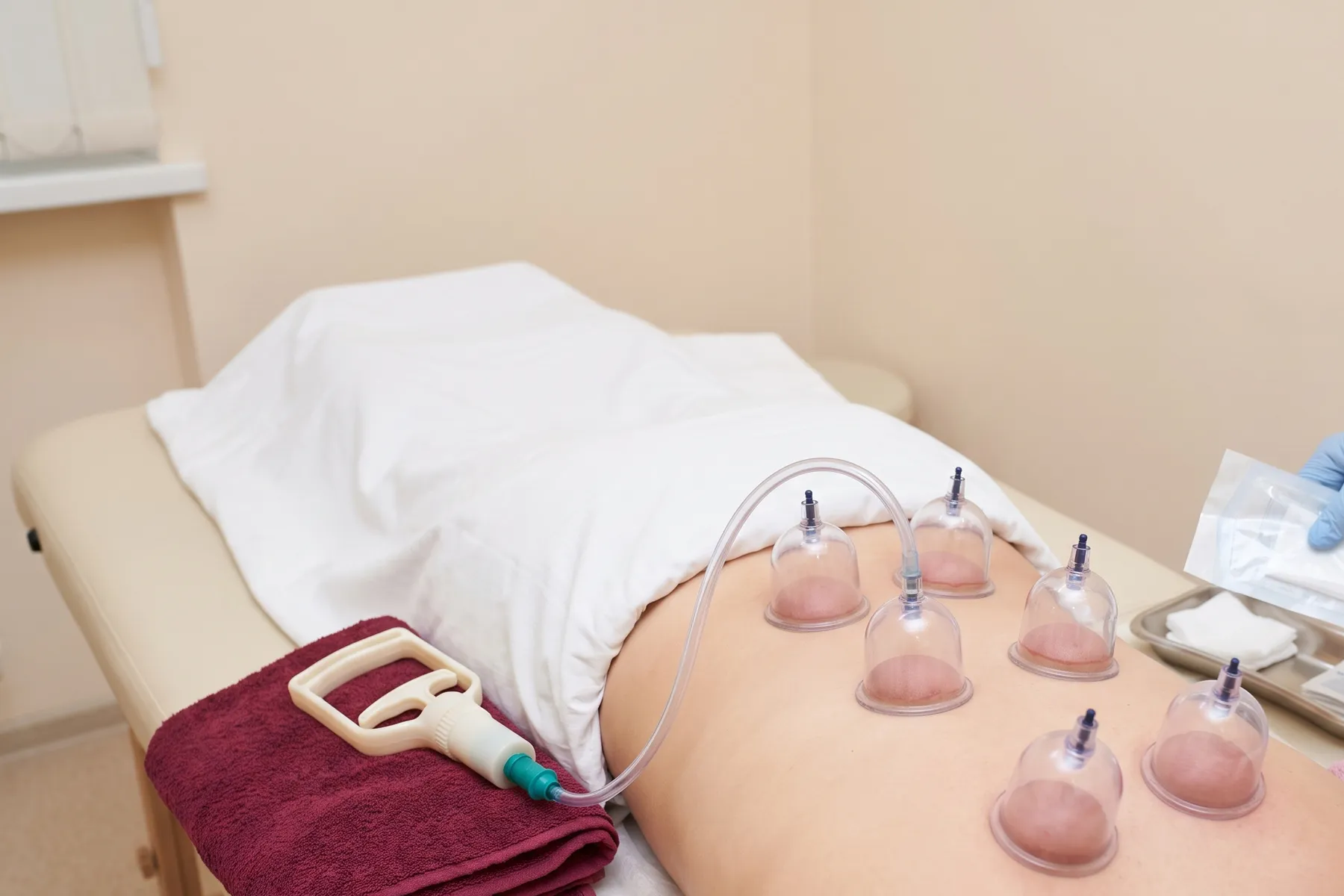
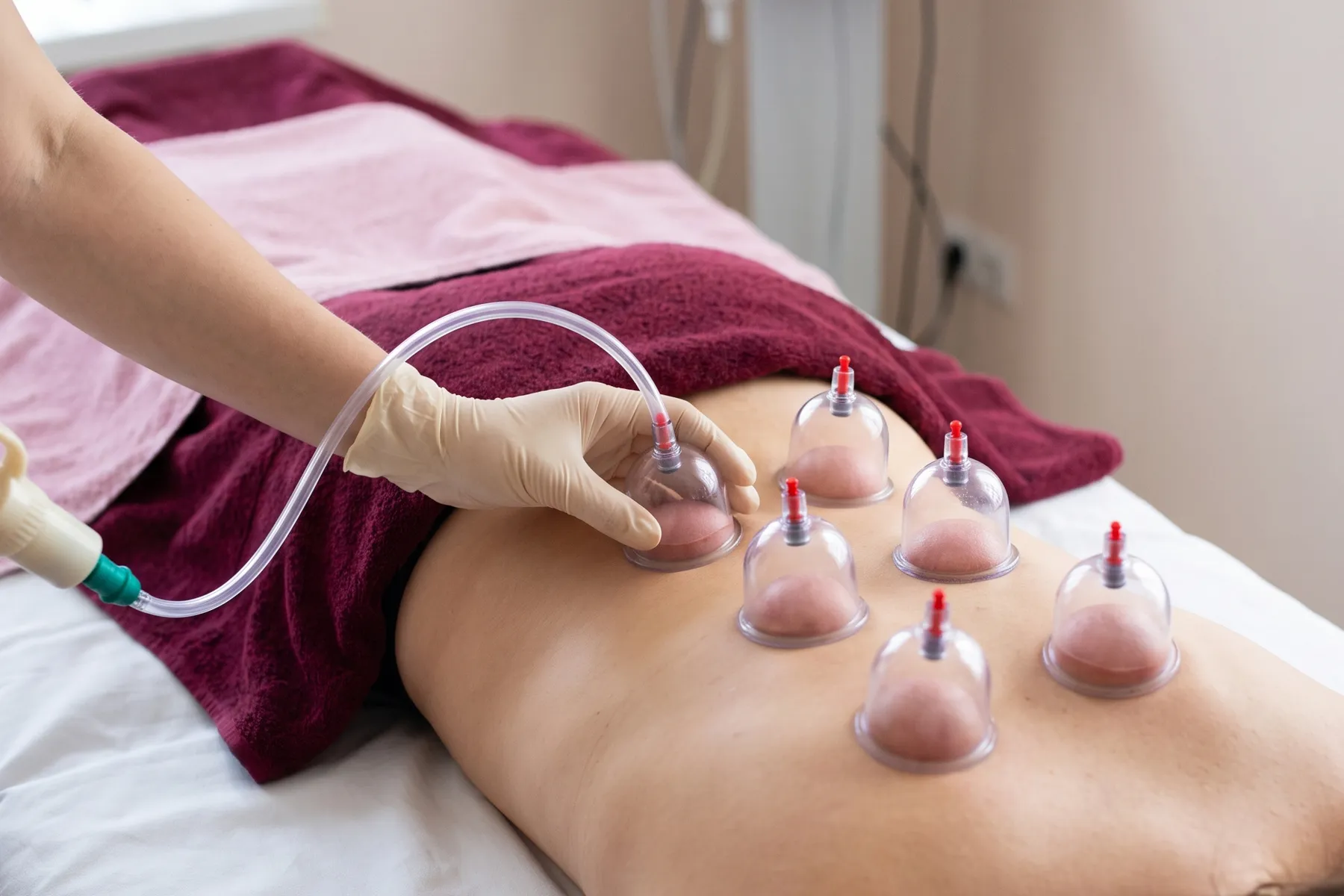
One of the most common questions about cupping therapy is timing: “Is there a particular day? Which season is it done in? How often is it repeated?”
The short answer
The Cupping Application Guideline (opens in a new tab) of the Ministry of Health of the Republic of Türkiye does not define any particular day, month or season for the procedure. Timing is set by clinical assessment, not by the calendar: your complaint, your examination findings, the medicines you take and your general condition at the time are considered together.
The guideline states that the number of sessions and the interval between them are set according to the person and the complaint, and reviewed at every session.
In some Islamic sources, the 17th, 19th and 21st days of the hijri month are cited as suitable days for the procedure; the current list of these days can be seen on the Hijama Calendar page.
What determines the timing?
These are the headings considered when the day of the procedure is chosen:
- How your complaint is behaving that day is taken into account; if symptoms have just started or are changing rapidly, assessment comes first.
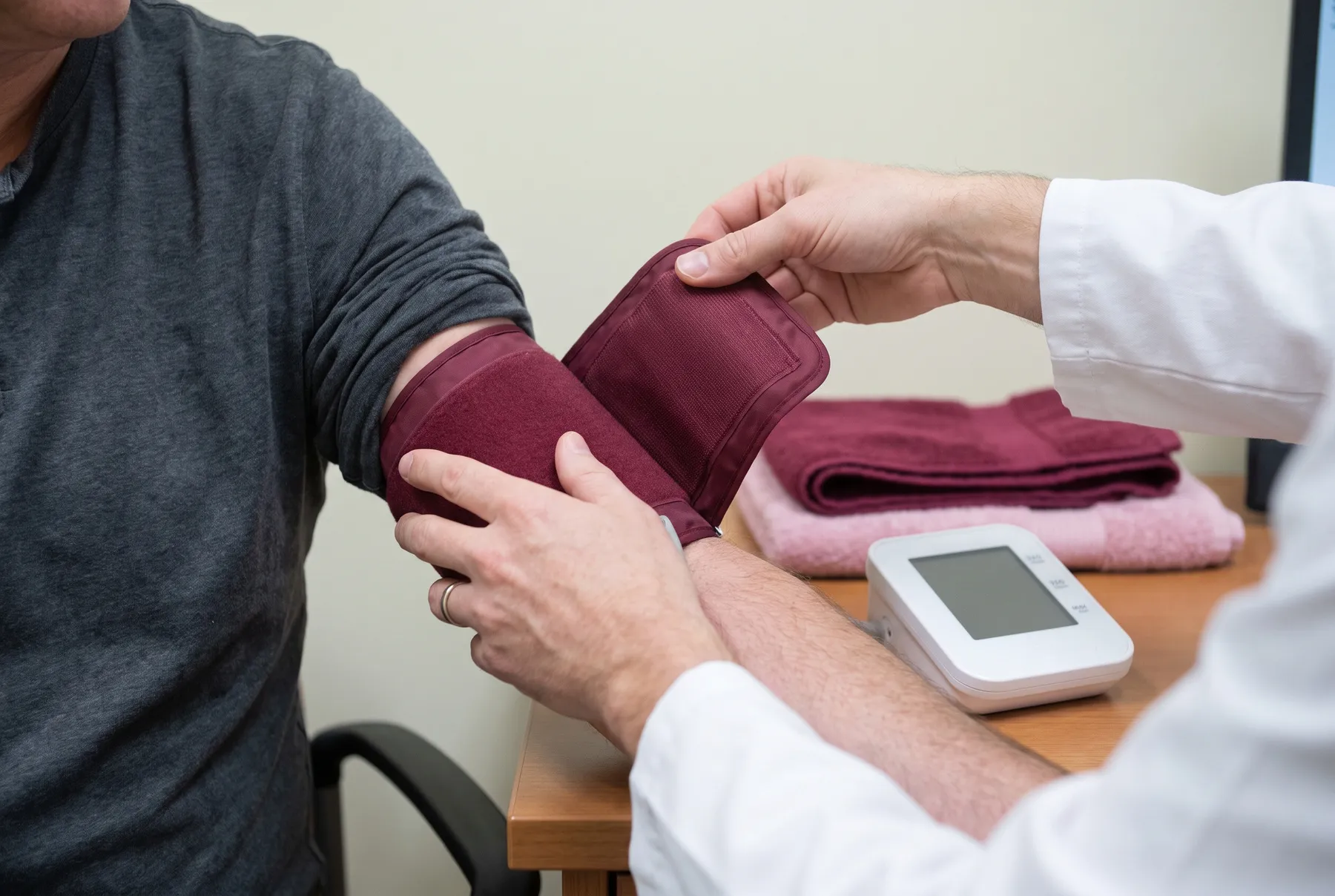
- The vital signs measured that day are reviewed. The guideline requires temperature, blood pressure and pulse to be measured beforehand; if those readings are not suitable, the procedure is not carried out that day.
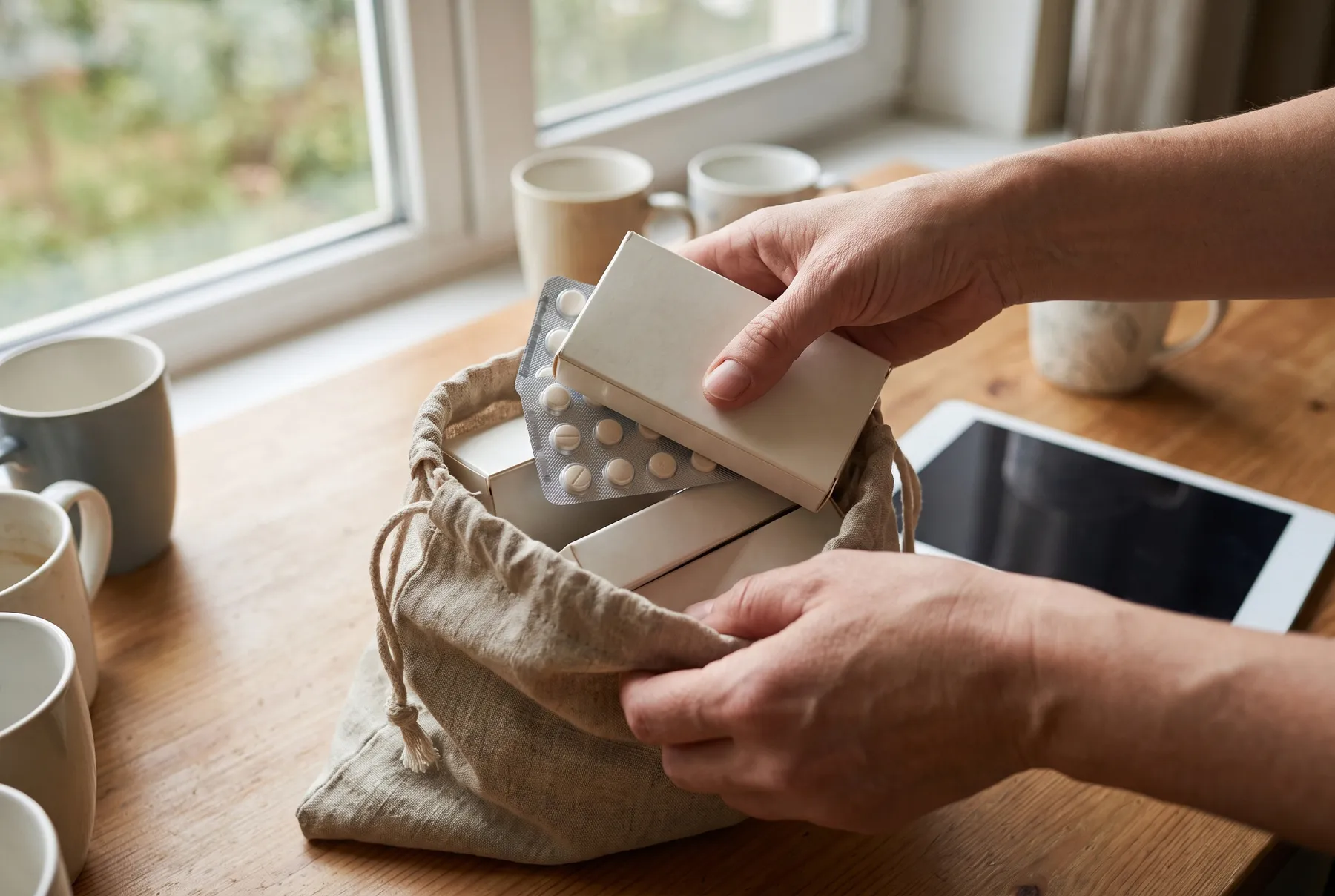
- The medicines you take are asked about; blood thinners and anticoagulants in particular are assessed separately.
- Co-existing conditions are considered; during an acute flare of a chronic condition, the procedure is assessed with the opinion of the relevant specialist, as the guideline requires.
- How the rest of the day will go is also weighed up; rest is advised after the procedure, so it is sensible to plan your day around that. You can read detailed advice on the Hijama page.
In which patients is timing assessed separately?
The Cupping Application Guideline lists the following among the headings to be assessed separately. They do not mean the procedure cannot be carried out; they mean the timing has to be set by a physician.
- In patients who are menstruating or in the postpartum period (in the postpartum period the opinion of an obstetrician and gynaecologist is also sought)
- In patients who have donated blood recently
- In patients who have had an operation recently
- In patients whose diabetes or cardiovascular disease is not under control
- In patients during an acute flare of a chronic condition
- In older patients and in patients under 18 (the procedure is assessed with the opinion of the relevant specialist)
The procedure is not carried out in pregnancy. You can read the full list of situations in which it is not carried out on the Hijama page.
If you are planning a day on which you will go without food for a long stretch, or if your eating routine has changed recently, say so when you book.
Planning the day of your appointment
- Bring your list of medicines and supplements to the consultation. Blood thinners matter in particular.
- Bring your most recent test results if you have them.
- Tell the physician how you are that day (fever, weakness, a newly started complaint, an infection in the past few days).
- If there is any chance you are pregnant, say so at the start of the consultation.
- Keep the rest of the day free. Because rest is advised afterwards, it is sensible not to plan a busy schedule.
- If it is to be repeated, agree the interval with your physician. Do not increase the frequency on your own initiative.
Points to be aware of, and the limits
Waiting for a particular day should not delay an assessment that is needed. In traditional practice there are days preferred for cupping according to the lunar calendar; the guideline reports this preference in its history section, saying that the procedure “is thought to be more effective when performed on the recommended days, in relation to the gravitational pull of the moon”. The guideline does not name those days and sets no rule about which day the procedure is carried out on; the list of the preferred days is on the Hijama Calendar page. The real risk here is that a complaint that needs assessing may be put off while a “suitable day” is awaited.
The Regulation on Traditional and Complementary Medicine Practices addresses this point directly: such procedures may not be carried out “in a way that disrupts or delays other medical treatments”.
Frequency is not increased on your own initiative. Nothing on this page suggests that having the procedure more often brings about more change; the interval between sessions is set by the physician.
The procedure is not a reason to postpone a planned test or follow-up.
When should you see a physician without delay?
If you experience these symptoms during treatment, contact your physician without delay:
- A complaint that keeps increasing or whose character has changed
- Fever, night sweats or unexplained weight loss accompanying it
- Increasing redness, warmth, swelling or discharge at the site
- Swelling, redness and pain in the leg
- Marked weakness, palpitations or dizziness
In the event of shortness of breath, chest pain, bleeding that does not stop, a change in consciousness or fainting, go directly to the emergency department.
Frequently asked questions
Is there a particular day or month for cupping therapy?
The Cupping Application Guideline of the Ministry of Health of the Republic of Türkiye does not define any particular day, month or season for the procedure. Timing is set according to your complaint, your examination findings, the medicines you take and your general condition that day.
In which season is cupping therapy carried out?
The guideline contains no rule tied to the season. The timing of the procedure is set by clinical assessment; the season alone is not decisive.
Can cupping therapy be carried out during menstruation?
Menstruation is among the situations the guideline lists as needing separate assessment. That does not mean the procedure cannot be carried out; it means the timing has to be set at the end of the examination. In the postpartum period the opinion of an obstetrician and gynaecologist is also sought.
I have donated blood; when can cupping therapy be carried out?
No definite interval can be given in advance. Having donated blood recently is among the situations the guideline lists as needing separate assessment; suitability and timing are set at the end of the examination.
Should I go for cupping therapy on an empty stomach?
No definite rule can be given in advance. Advice on eating before and after the procedure is explained to you individually. If you are planning a day on which you will go without food for a long stretch, say so when you book.
If the procedure is repeated, who sets the interval?
Your physician sets the interval, and it is reviewed again at every session. Do not increase the frequency on your own initiative.
How should I plan the day of the procedure?
Because rest is advised afterwards, it is sensible not to tie that day to a busy schedule. Keep your list of medicines and supplements, and your most recent test results if you have them, with you.
Sources
- Ministry of Health of the Republic of Türkiye, Directorate General of Health Services, Department of Traditional, Complementary and Functional Medicine Practices, Cupping Application Guideline, Ankara, June 2025 (Publication No 1320, ISBN 978-975-590-934-9). https://shgmgetatdb.saglik.gov.tr/ (opens in a new tab)
- Ministry of Health of the Republic of Türkiye, Regulation on Traditional and Complementary Medicine Practices, Official Gazette 28 April 2026 / 33237. https://www.resmigazete.gov.tr/eskiler/2026/04/20260428-2.htm (opens in a new tab)