What is eye area botulinum toxin?
Eye area botulinum toxin is a procedure directed at the appearance of the lines that spread out from the outer corner of the eye, commonly known as crow’s feet. Whether any change in appearance is possible is assessed at the examination.
The substance used in this procedure, which is popularly known by a brand name, is botulinum toxin. Botulinum toxin is a prescription-only medicinal product for human use (opens in a new tab) that temporarily reduces the contraction of the muscle into which it is administered. The procedure is carried out with an authorised product, within the terms of use in its authorisation, and by a physician.
The muscle around the eye is the one that closes the eyelid. When the contraction of this muscle is reduced, the closing strength of the eyelid, the support of the lower lid and the flow of tears may be affected. For this reason, unlike the other areas of the face, this area is also assessed in terms of eye health.
This area is part of the 3-Area Botulinum Toxin assessment.
The procedure is performed at the practice (opens in a new tab) by Dr. Suzan Alp, Specialist in Internal Medicine.
Which factors determine whether the procedure is suitable?
The decision on suitability is made at the end of the examination. The following factors are decisive in the assessment of this area:
- The tightness and support of the lower eyelid
- Whether there is a complaint of dry eye
- Whether there is a complaint of watering of the eye
- Whether the lines appear with movement, or whether they also remain when the face is at rest
- Whether there is bagging or excess skin on the lower eyelid
- Whether the area has been treated before, and whether there is a history of eye surgery
If the support of the lower eyelid is weak, or if there is a complaint of dry eye, this procedure may make the condition more pronounced.
In which patients is the procedure not performed?
- In patients with a disease affecting the neuromuscular junction (myasthenia gravis, Lambert-Eaton syndrome, amyotrophic lateral sclerosis and similar conditions)
- In pregnant and breastfeeding patients
- In patients under 18 years of age
- In patients with a history of allergy to the product to be used or to its components
Situations that require separate assessment
- Muscle disease (an assessment by the relevant specialist physician is required)
- Use of medicines that affect neuromuscular transmission (aminoglycoside antibiotics, muscle relaxants and similar)
- Bleeding or clotting disorder, or use of blood-thinning or anticoagulant medicines
- Active infection or febrile illness (the procedure is postponed)
- A recent procedure in the same area (the timing is adjusted accordingly)
Additional conditions specific to this area
The procedure is not performed if the following are present in the area to be treated:
- Weak lower eyelid support or a tendency for the lower lid to turn outwards
- Watering of the eye or a problem with lid closure
- Active infection, a stye or skin disease
In these situations, the procedure is planned subject to the physician’s assessment:
- Marked dry eye (an ophthalmology assessment is needed first)
- Eyelid drooping
- Previous eye surgery (an assessment by an ophthalmologist is required)
- A history of facial palsy (the opinion of the relevant specialist is sought)
- Previously applied dermal filler in the area (timing and planning are adjusted accordingly)
How is the procedure performed?
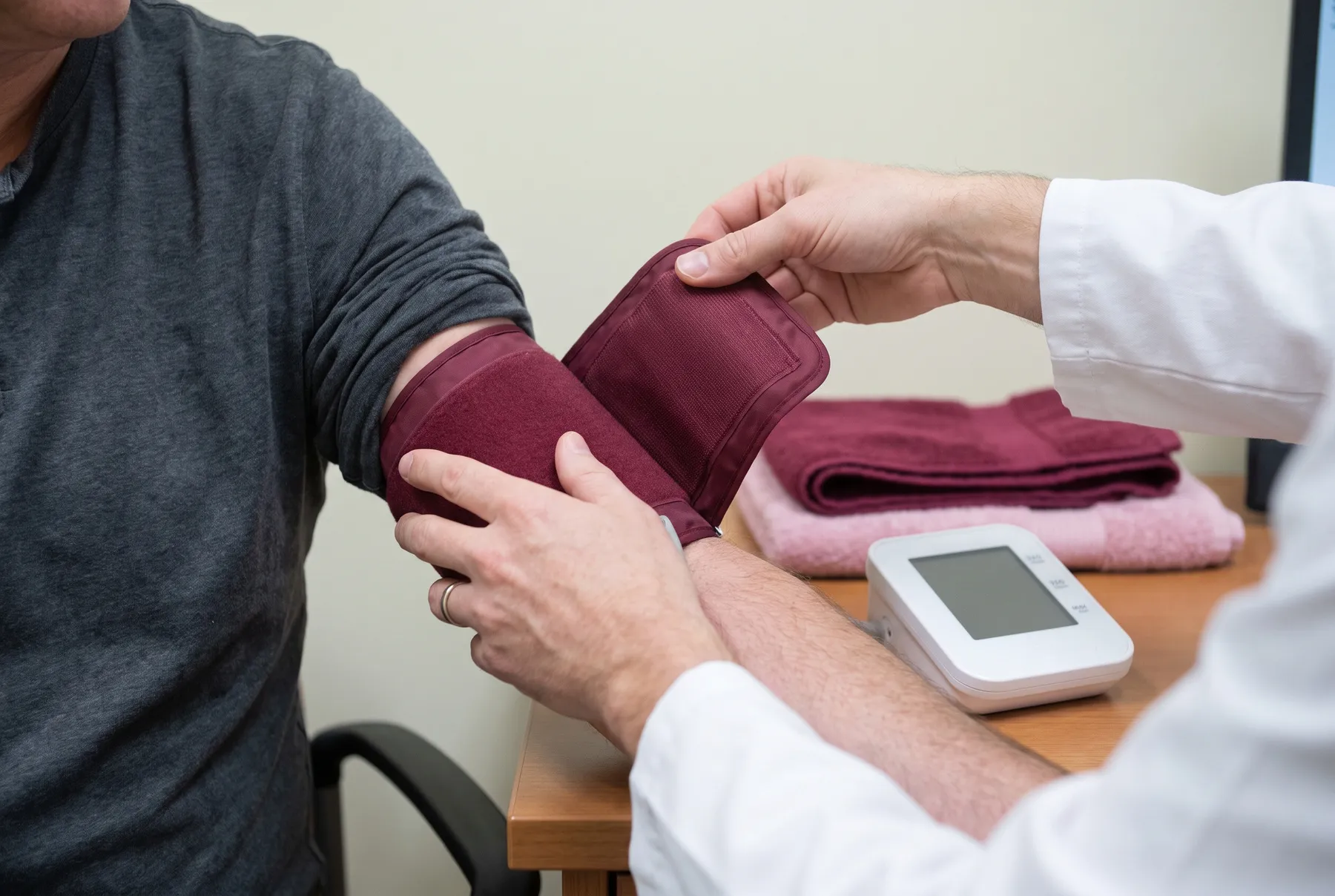
- Assessment. The tightness and support of the lower eyelid, any complaint of dry eye or watering, lid closure and the type of lines are assessed. You are asked about a history of eye surgery and previous procedures, including any dermal filler administered to the area. Any history of neuromuscular disease, current medication and allergies are recorded. Blood pressure and pulse are measured.
- Product check. The authorisation status of the product to be used and its compliance with storage conditions are checked.
- Information and consent. The procedure, the temporary nature of the effect, the possibility of dry eye, watering and laxity of the lower lid, and possible side effects are explained in writing and verbally; a form is signed.
- Preparation. There must be no make-up on the area; contact lenses are removed. Antisepsis is ensured.
- Administration. The product is administered at the predetermined points around the eye with a fine needle.
- Observation and follow-up. Vital signs and any observed findings are recorded in the file. A follow-up appointment is given, at which the outcome will be assessed.
When does the effect begin, and how long does it last?
The time it takes for the effect to appear varies from person to person; the full result is assessed between a few days and two weeks. The effect is temporary, and how long it will last cannot be stated in advance. The timing of any repeat is determined at the follow-up.
What should you do before and after the procedure?
Before the procedure, report:
- A list of all the medicines and supplements you use (in particular blood thinners, painkillers and antibiotics)
- Your known allergies
- Any history of nerve or muscle disease
- Your pregnancy and breastfeeding status
If you have a complaint of dry eye or watering, or a history of eye surgery, please state this.
Come with no make-up on the area and no contact lenses in.
After:
- The area must not be massaged and the eyes must not be rubbed on the day of the procedure (this is particularly important around the eyes)
- You are asked to avoid bending forward, keeping the head down for long periods and lying face down for the period specified
- Avoid hot environments, saunas, sunbeds and intense exercise for a period
- The period specified for the use of contact lenses must be observed
- Temporary bruising is common here; in this respect the area around the eyes is among the most sensitive parts of the face
Recommendations and periods specific to you are given in writing at the end of the procedure.
Risks and side effects
Risks specific to this area
- Bruising (the area around the eyes is frequently affected in this respect)
- Dry eye, or an increase in a complaint of dryness
- Watering of the eye
- Laxity of the lower eyelid; in advanced cases, outward turning of the lid
- Eyelid drooping
- Double vision
- A different appearance or fullness under the eye when smiling
- Asymmetry (a different appearance between the two eyes)
General risks that may occur with any minor procedure
- Pain, redness and swelling
- Infection at the site of the procedure
- Headache
- A change in facial expression
- Allergic reaction
- Flu-like symptoms
- Vasovagal syncope (fainting)
These side effects are temporary; however, the time they take to resolve varies from person to person and may last weeks. It is not possible to reverse the effect of the botulinum toxin.
Results vary from person to person.
When should you see a physician without delay?
If you experience these symptoms during treatment, contact your physician without delay:
- A change in vision
- Drooping of the eyelid
- Failure of the eye to close fully
- Pain, stinging or marked redness in the eye
- Increasing swelling, warmth or discharge in the area
- A high fever
- Widespread rash, itching
In the event of loss of vision, double vision, difficulty swallowing, disturbance of speech, shortness of breath, widespread muscle weakness, or swelling of the lips or eyelids, go directly to the emergency department.
Frequently asked questions
Does eye area botulinum toxin affect my eye health?
The muscle around the eye is the one that closes the eyelid. When its contraction is reduced, the closing strength of the lid, the support of the lower lid and the flow of tears may be affected. For this reason dry eye, watering and lower lid support are assessed before the procedure; if there is a complaint, an ophthalmology assessment may be requested.
My eyes are dry; can I have eye area botulinum toxin?
In those with marked dry eye the procedure is addressed after an ophthalmology assessment. The procedure may increase the complaint of dryness. Please state this complaint at the beginning of the consultation.
Will bruising occur after eye area botulinum toxin?
Bruising is the most frequently reported side effect in this area; in this respect the area around the eyes is among the most sensitive parts of the face. If you take blood-thinning medicines, please state this during the consultation.
I have had eye surgery; can I still have the procedure?
In those who have had eye surgery, the procedure is not performed without the opinion of an ophthalmologist. Please state the type and date of your operation during the consultation.
Can I wear contact lenses after the procedure?
Contact lenses are removed before the procedure; the period after which they may be worn again is given to you in writing.
My crow’s feet lines are there even when I am not smiling; will botulinum toxin be enough?
Lines that appear only with facial movement and lines that remain when the face is at rest are not assessed in the same way. In the second situation, the contribution expected from this procedure is limited; which of the two applies is determined at the examination.
How long does the effect of eye area botulinum toxin last?
The effect is temporary and its duration cannot be stated in advance. It varies according to the person, muscle strength and the pattern of application. The timing of any repeat is determined at the follow-up consultation.
Is eye area botulinum toxin carried out during pregnancy?
No. The procedure is not carried out during pregnancy or breastfeeding.
Sources
- Ministry of Health of the Republic of Türkiye, Turkish Medicines and Medical Devices Agency, Beşeri Tıbbi Ürünler Ruhsatlandırma Yönetmeliği, Official Gazette 11 December 2021 / 31686. https://www.resmigazete.gov.tr/eskiler/2021/12/20211211-5.htm (opens in a new tab)
- Ministry of Health of the Republic of Türkiye, Ayakta Teşhis ve Tedavi Yapılan Özel Sağlık Kuruluşları Hakkında Yönetmelikte Değişiklik Yapılmasına Dair Yönetmelik, Official Gazette 7 January 2025 / 32775. https://www.resmigazete.gov.tr/eskiler/2025/01/20250107-3.htm (opens in a new tab)