What is mesotherapy around the eyes?
Mesotherapy around the eyes is mesotherapy performed in the thin skin around the eyes. As defined in the Mesotherapy Application Guideline (opens in a new tab) of the Ministry of Health of the Republic of Türkiye, mesotherapy is a method carried out “by injecting herbal or pharmacological products in small doses, regionally and with special needle techniques, into the layers of the skin in sessions”.
The skin around the eyes is the thinnest skin on the body, and the area is adjacent to the eye. The procedure is therefore performed more superficially, in smaller volumes and with greater care; bruising and swelling are seen more frequently in this area than in other areas.
The procedure may only be carried out by physicians holding the relevant certificate, at premises authorised by the Ministry (opens in a new tab).
The cause of a complaint under the eyes is not always the skin
Complaints of darkness, swelling and hollowing under the eyes may arise for more than one reason. Before the procedure is planned, the following factors are reviewed:
- Anaemia and iron status (may be seen together with darkness under the eyes)
- Thyroid function (may cause swelling around the eyes)
- Kidney and heart function, assessed where swelling of the eyelid is marked in the morning
- Allergy and nasal congestion (may accompany darkness under the eyes)
- Sleep routine and fluid intake
- Inherited structure (the shadowing in the area may also be anatomical; in that case the contribution expected from the procedure is limited)
The procedure is not planned without this assessment. For details, see the Persistent Fatigue: In Which Situations Should a Physician Be Consulted? and Skin Health pages.
In which patients is the procedure not performed?
The patient groups in whom the procedure cannot be performed under the Mesotherapy Application Guideline are listed below:
- In pregnant and breastfeeding patients
- In patients under 18 years of age
- In patients with an infection, an open wound or a rash in the procedure area
- In patients with an inflammatory skin disease or rosacea
- In patients in whom blood pressure or blood sugar control cannot be achieved
- In patients with advanced heart failure and/or a history of a heart attack
- In patients with advanced liver and/or kidney failure
- In patients taking warfarin
- In patients with a history of allergy to the product to be used, and in patients with a drug interaction
- In patients with a history of epilepsy (not in remission)
- In patients with septic arthritis, and in patients in the active phase of a rheumatic disease
- In patients with a history of a cerebrovascular event, and in patients with a bleeding diathesis
- In patients with a body mass index above 30
- In patients with a diagnosis of AIDS
Special groups: in oncology patients, in patients of advanced age and in patients during an acute attack of a chronic disease, the procedure is performed with the opinion of the relevant specialist physician.
Additional conditions specific to this area
The procedure is not performed if the following are present in the area to be treated:
- Active infection, a stye or eczema
In these situations, the procedure is planned subject to the physician’s assessment:
- An eye disease (glaucoma, dry eye, previous eye surgery; the opinion of the ophthalmology specialty is sought)
- A marked tendency to bruise in the area
Marked drooping or herniation of the eyelid is not addressed with mesotherapy; it falls within the field of the relevant surgical specialty. If you wear contact lenses, you are asked to take them out before the procedure.
How is the procedure performed?
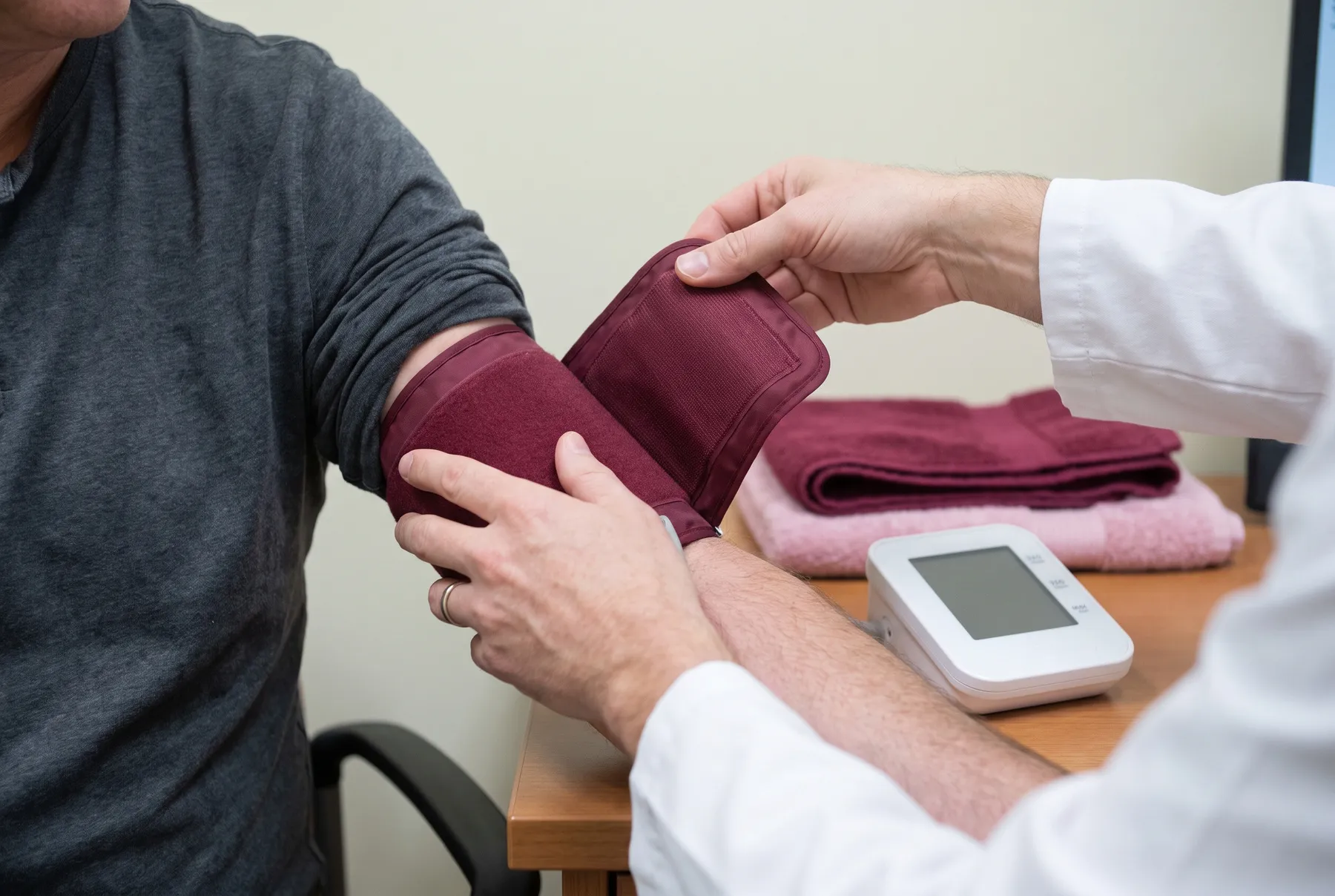
- Assessment. The cause of the under-eye complaint is reviewed; we ask about current medication and allergy history. Blood pressure and pulse are measured.
- Information and consent. The risks specific to this area, in particular the possibility of bruising, are explained separately; a form is signed.
- Preparation. Make-up is removed completely; contact lenses are taken out. Antisepsis is ensured.
- The procedure. The product is applied superficially and in small volumes, in keeping with the thin structure of the area.
- Observation. Vital signs and any side effects observed are recorded in the file.
How long does it take, and how many sessions are needed?
The Guideline states that, in procedures other than pain management, the intervals between sessions are between 1 and 3 weeks. The number of sessions cannot be given in advance as a single figure.
What should you do before and after the procedure?
Before the procedure, report:
- A list of all the medicines and supplements you use (in particular blood thinners and painkillers; they may increase the possibility of bruising in this area)
- Your pregnancy status
Come without eye make-up on; if you wear contact lenses, take them out or bring your glasses.
After:
- Bruising and swelling are seen more frequently in this area than in other areas and may last a few days; you are advised not to plan the procedure before an important meeting or event
- On the day of the procedure, you are advised not to wear eye make-up and not to rub the area
- The Guideline describes mild oedema in the first 72 hours as an expected finding
Risks and side effects
Seen more frequently in this area
- Bruising (ecchymosis)
- Swelling of the eyelid
- Temporary watering of the eye
- Marked tenderness in the area
The unwanted effects reported by the Guideline fall under the following headings.
Related to the product
- Mild itching and redness
- With acid-based products, pain during the procedure; excessive pain sensitivity after the session
- In applications containing a corticosteroid, thinning of the skin (atrophy) and change in colour
Related to how the procedure is performed
- Oedema, pain and tenderness
- Pain due to an excessive amount of product
- Local infection where hygiene rules are not followed
Related to the injection entry point
- Bleeding, pain and tenderness
- Tenderness of the skin at the end of the procedure
Rarely seen situations for which a plan of intervention is set out in advance
- Allergic reaction
- Infection
- Tissue death (dermal necrosis)
- Vasovagal syncope (fainting)
- Raised blood pressure
- Oedema lasting beyond 72 hours, or excessive oedema
Results vary from person to person.
When should you see a physician without delay?
If you experience these symptoms during treatment, contact your physician without delay:
- Pain in the eye, redness or sensitivity to light
- Swelling of the eyelid to the point where it cannot be opened
- Increasing redness, increased warmth or discharge in the procedure area
- A high fever
- Oedema exceeding 72 hours or progressively increasing
- Spreading bruising
- Widespread rash, itching
In the event of blurring of vision, double vision or loss of vision, go without delay to the emergency department or to an ophthalmologist. In the event of shortness of breath, swelling of the face or tongue, altered consciousness or blanching of the skin, go directly to the emergency department.
Frequently asked questions
Does bruising occur around the eyes?
In this area bruising and swelling are seen more frequently than in other areas and may last a few days. Because the skin is thin, small-vessel injuries become apparent more easily. You are advised not to plan the procedure before an important meeting or event.
Will the darkness under my eyes go away?
No such outcome can be stated in advance. The cause of darkness under the eyes is not always the skin; anaemia, thyroid function, allergy, sleep routine and inherited structure may also play a part. Until the cause has been assessed, the contribution the procedure can be expected to make cannot be foreseen.
Is it suitable for my under-eye bags?
If there is marked drooping or herniation of the eyelid, this condition is not addressed with mesotherapy; it falls within the field of the relevant surgical specialty. Which condition is present is assessed at the consultation.
Do I need to take out my contact lenses?
Yes. Contact lenses must be taken out before the procedure. It is sensible to bring your glasses with you.
I have an eye disease; can the procedure be carried out?
In situations such as glaucoma, dry eye or previous eye surgery, the procedure is assessed with the opinion of the ophthalmology specialty. Please mention your diagnosis at the beginning of the consultation.
Can I wear make-up after the procedure?
You are advised not to wear eye make-up on the day of the procedure. You will be told separately at the end of the procedure when you may wear it again.
Sources
- Ministry of Health of the Republic of Türkiye, General Directorate of Health Services, Mezoterapi Uygulama Kılavuzu, Ankara, June 2025. https://ekutuphane.saglik.gov.tr/Yayin/694 (opens in a new tab)
- Ministry of Health of the Republic of Türkiye, Geleneksel ve Tamamlayıcı Tıp Uygulamaları Yönetmeliği, Official Gazette 28 April 2026 / 33237. https://www.resmigazete.gov.tr/eskiler/2026/04/20260428-2.htm (opens in a new tab)