What is radiofrequency microneedling?
Radiofrequency microneedling is the radiofrequency procedure popularly known as the gold needle. The principle is to enter the skin with fine needles and deliver radiofrequency energy to a defined layer.
The device used is a medical device (opens in a new tab), and in Türkiye medical devices are monitored through the Product Tracking System (ÜTS). The Turkish Medicines and Medical Devices Agency (opens in a new tab) defines the purpose of this system as “enabling medical devices and cosmetic products manufactured in our country or imported from abroad to be traced from the production line through to the place where they are sold and used”.
Important points to know before the procedure:
1. In this procedure, radiofrequency energy is delivered to the skin; for that reason a separate assessment is required in those who carry an electronic device in the body. If you carry a device such as a cardiac pacemaker, an implanted cardiac defibrillator, a neurostimulator, an insulin pump or a hearing implant, you must state this at the beginning of the consultation.
2. Burns and scar formation are risks specific to this procedure. This possibility exists in any procedure that delivers radiofrequency energy to the skin, and it is explained before the procedure.
The limit on expectations: this procedure does not change advanced skin laxity. In such cases the expected contribution is limited, and an assessment by the relevant surgical specialty may be required. The result is generally assessed over more than one session and over time.
The procedure is performed at the practice (opens in a new tab) by Dr. Suzan Alp, Specialist in Internal Medicine.
Which factors determine whether the procedure is suitable?
The decision on suitability is made at the end of the examination. The determining factors are:
- Skin structure, thickness and skin colour (the risk of a change in colour differs according to skin type)
- The degree of laxity and any surface irregularity
- Whether there is an electronic device or a metal implant in the body
- Whether there is a history of cold sores (herpes)
- Whether there is a tendency to keloid and scarring (a raised scar that spreads beyond the original wound)
- Which skin medicines have been used recently, and whether any procedure has been performed on the area
- Sun exposure and any recent sunburn
In which patients is the procedure not performed?
- In pregnant and breastfeeding patients
- In patients under 18 years of age
Situations that require separate assessment
- Bleeding or clotting disorder, or use of blood-thinning or anticoagulant medicines
- Active infection or febrile illness (the procedure is postponed)
- Uncontrolled diabetes (healing may be affected)
- Treatment that suppresses the immune system or active oncological treatment (the opinion of the relevant specialist physician is obtained)
- A history of epilepsy (the opinion of the relevant specialist physician is obtained)
Conditions related to the device delivering radiofrequency energy to the skin
- A cardiac pacemaker, an implanted cardiac defibrillator, a neurostimulator, an insulin pump or a similar electronic device requires separate assessment (the opinion of the relevant specialist physician is obtained)
- A metal implant, plate or screw in the area to be treated requires separate assessment
- Filler, a biostimulator or threads in the area to be treated require separate assessment (the timing and suitability are determined accordingly)
Conditions relating to the skin
- In patients with an active infection, a cold sore, an acne lesion or an open wound in the area to be treated, the procedure is not carried out
- In patients who develop cold sores frequently, the procedure may trigger a cold sore, and suitability and precautions are assessed separately
- In patients with a tendency to keloid and hypertrophic scarring (a raised scar that spreads beyond the original wound), the procedure is assessed separately
- In patients with sunburn in the area, or following intense sun exposure, the procedure is postponed
- In patients with a skin type prone to a change in colour, the procedure is assessed separately and precautions are taken
- In patients taking medicines that cause sensitivity to light, suitability is assessed separately
- In patients who are taking certain oral medicines for acne, or who have stopped them recently, suitability and the waiting period are assessed together with the physician concerned
- In patients with an undiagnosed skin lesion, a dermatology assessment is needed first
- In patients in the active phase of an inflammatory skin disease, the procedure is not carried out
How is the procedure performed?
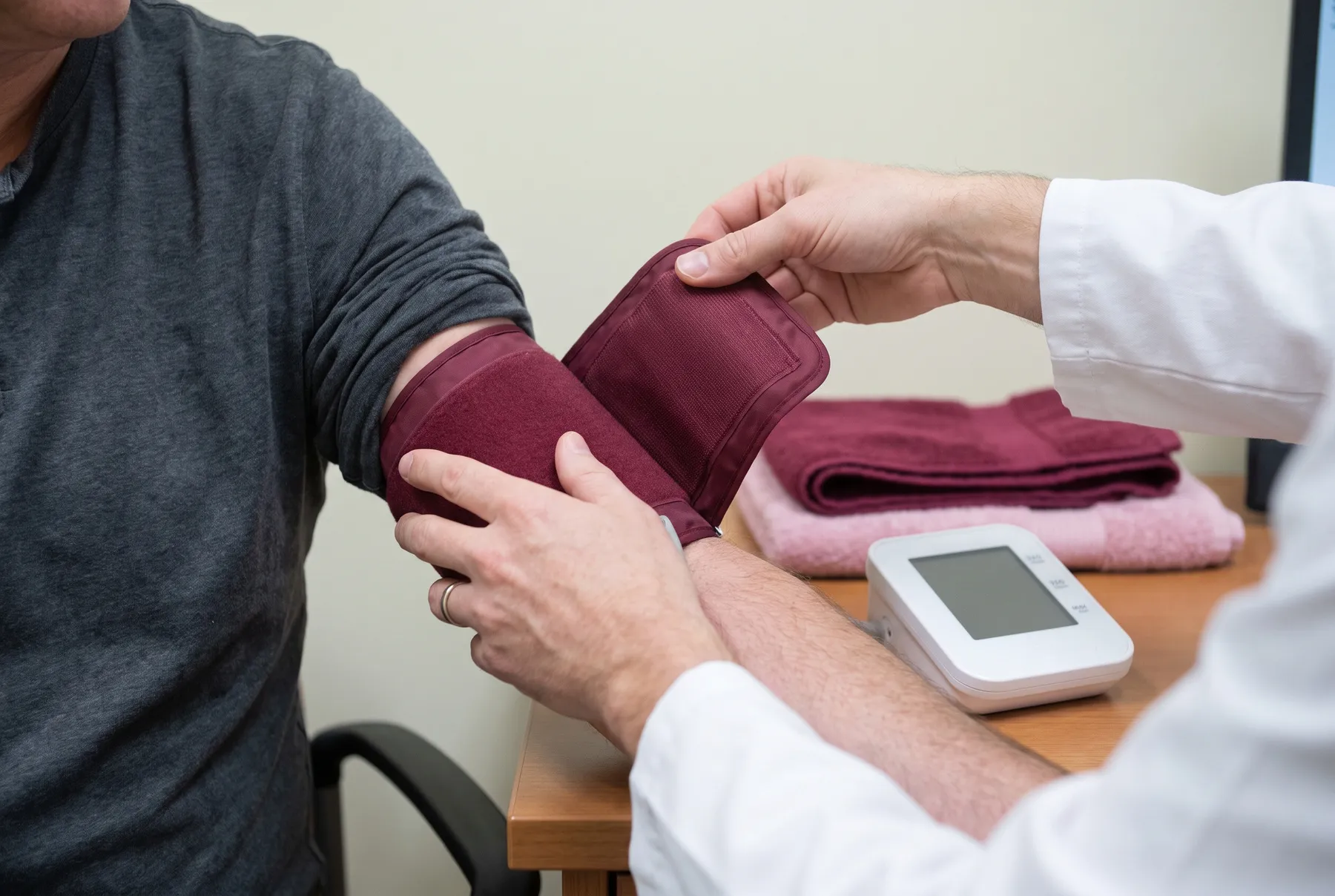
- Assessment. Skin structure, thickness and skin colour are assessed. You are also asked whether there is an electronic device or a metal implant in your body. The consultation also covers any history of cold sores, any tendency to keloid (a raised scar that spreads beyond the original wound), the skin medicines you use, sun exposure and procedures performed on the area. Blood pressure and pulse are measured.
- Device check. The ÜTS registration of the device to be used, its maintenance and calibration status, and the suitability of the single-use tip are checked.
- Information and consent. The procedure, the possibility of burns and scar formation, the risk of a change in colour, the triggering of a cold sore and possible side effects are explained in writing and verbally; a form is signed. The symptoms for which attention should be sought without delay after the procedure are given in writing.
- Preparation. There must be no make-up, cream or moisturiser on the area; jewellery and metal accessories are removed. Antisepsis is ensured; where necessary, topical anaesthesia is applied.
- Application. The device is applied to the defined layer at the set energy level. The tip is single-use.
- Observation and follow-up. The area is assessed after the procedure; vital signs and any findings observed are recorded in the file. A follow-up appointment is given.
How long does it take, and how many sessions are needed?
The number of sessions and the interval between them cannot be given in advance as a single number; they are determined according to skin structure, the area and the outcome of the assessment. The result is generally assessed over more than one session and over time.
What should you do before and after the procedure?
Before: there must be no make-up, cream or moisturiser on the area. A list of all the medicines and supplements you use (in particular blood thinners and skin medicines), your known allergies, and whether you are pregnant or breastfeeding should be reported. You are asked to avoid intense sun exposure before the procedure.
Points you should also mention for this procedure:
- Do you have a device in your body such as a cardiac pacemaker, a defibrillator, a neurostimulator, an insulin pump or a hearing implant?
- Is there a metal implant, plate or screw at the site of the procedure?
- Do you have a tendency to develop cold sores?
- Has filler, a biostimulator or threads been applied to this area before?
- Are you taking an oral medicine for acne, or have you stopped one recently?
After:
- Redness, swelling and a feeling of heat are to be expected and may last for days
- Temporary needle marks and crusting may be seen on the skin
- Sun protection needs particular attention with this procedure; you are asked to avoid direct sun exposure and sunbeds
- The area must not be rubbed or scratched, and the crusts must not be picked off
- Observe the periods you are given for make-up, hot environments, saunas, swimming pools and intense exercise
- You are asked to follow the aftercare recommendations you are given
- You are asked to keep the written list of warnings you are given
Recommendations and periods specific to you are given in writing at the end of the procedure.
Risks and side effects
Risks specific to this procedure
- Burns (this possibility exists in any procedure that delivers radiofrequency energy to the skin)
- Scar formation
- A change in the colour of the skin (both darkening and lightening; the risk is higher in skin types prone to a change in colour)
- Infection at the site of the procedure
- Triggering of a cold sore
- Temporary needle marks, crusting and dryness of the skin
- Redness, swelling and a feeling of heat (may last for days)
- Temporary change in sensation
- Absence of the expected change (in advanced skin laxity the result is limited)
General risks that may occur with any minor procedure
- Pain and tenderness
- Allergic reaction (may be related to the topical anaesthetic product used)
- Vasovagal syncope (fainting)
Results vary from person to person. No guarantee of a result or of a duration can be given.
When should you see a physician without delay?
If you experience these symptoms during treatment, contact your physician without delay:
- Increasing pain that does not resolve
- Increasing redness, increased warmth, swelling or discharge in the area
- A high fever
- Marked darkening or lightening of the skin
- A wound that is not healing in the crusted area
- The appearance of a cold sore
- Widespread rash, itching
In the event of blisters, fluid collection or the appearance of a burn on the skin, contact your physician at once; if you cannot reach them, go to the nearest emergency department. In the event of spreading redness together with fever, or swelling of the face or tongue, go directly to the emergency department.
Frequently asked questions
I have a cardiac pacemaker; can I have radiofrequency microneedling?
In this procedure, radiofrequency energy is delivered to the skin; in those carrying a cardiac pacemaker, an implanted cardiac defibrillator, a neurostimulator, an insulin pump or a similar electronic device, the procedure is not carried out without the opinion of the relevant specialist physician. If you carry such a device, please state this at the beginning of the consultation.
I have a metal implant in my body; is that a problem?
If there is a metal implant, plate or screw at the site of the procedure, suitability is assessed separately. Please state this at the consultation.
Is there a risk of burns?
Burns and scar formation are risks specific to this procedure; the possibility exists in any procedure that delivers radiofrequency energy to the skin, and it is explained before the procedure. If you notice blisters, fluid collection or what appears to be a burn on the skin, seek attention without delay.
Does it leave discoloured patches on the skin?
A change in the colour of the skin (both darkening and lightening) is among the reported side effects, and the risk is higher in skin types prone to such a change. For this reason skin colour is assessed before the procedure, and sun protection needs particular attention with this procedure.
I have had filler in this area before; is that a problem?
In those with filler, a biostimulator or threads at the site of the procedure, the timing and suitability are assessed separately. Please state this at the consultation.
How does radiofrequency microneedling work?
This page contains no explanation of the mechanism of action. No claim is made as to what the procedure does in the body.
How many sessions are needed for radiofrequency microneedling?
A definite number of sessions cannot be given in advance; the number of sessions is determined according to skin structure, the area and the outcome of the assessment. The result is generally assessed over more than one session and over time.
Will radiofrequency microneedling be enough for sagging?
This procedure does not change advanced skin laxity. In such cases the expected contribution is limited, and an assessment by the relevant surgical specialty may be required.
Is radiofrequency microneedling performed during pregnancy?
No. The procedure is not performed during pregnancy or breastfeeding.
Sources
- Ministry of Health of the Republic of Türkiye, Turkish Medicines and Medical Devices Agency, Tıbbi Cihaz ve Ürün Takip Sistemi (ÜTS). https://www.titck.gov.tr/faaliyetalanlari/tibbicihaz (opens in a new tab)
- Ministry of Health of the Republic of Türkiye, Turkish Medicines and Medical Devices Agency, Tıbbi Cihaz Yönetmeliği, Official Gazette 2 June 2021 / 31499 (repeated issue). https://www.mevzuat.gov.tr/mevzuat?MevzuatNo=38657&MevzuatTur=7&MevzuatTertip=5 (opens in a new tab)
- Ministry of Health of the Republic of Türkiye, Ayakta Teşhis ve Tedavi Yapılan Özel Sağlık Kuruluşları Hakkında Yönetmelikte Değişiklik Yapılmasına Dair Yönetmelik, Official Gazette 7 January 2025 / 32775. https://www.resmigazete.gov.tr/eskiler/2025/01/20250107-3.htm (opens in a new tab)