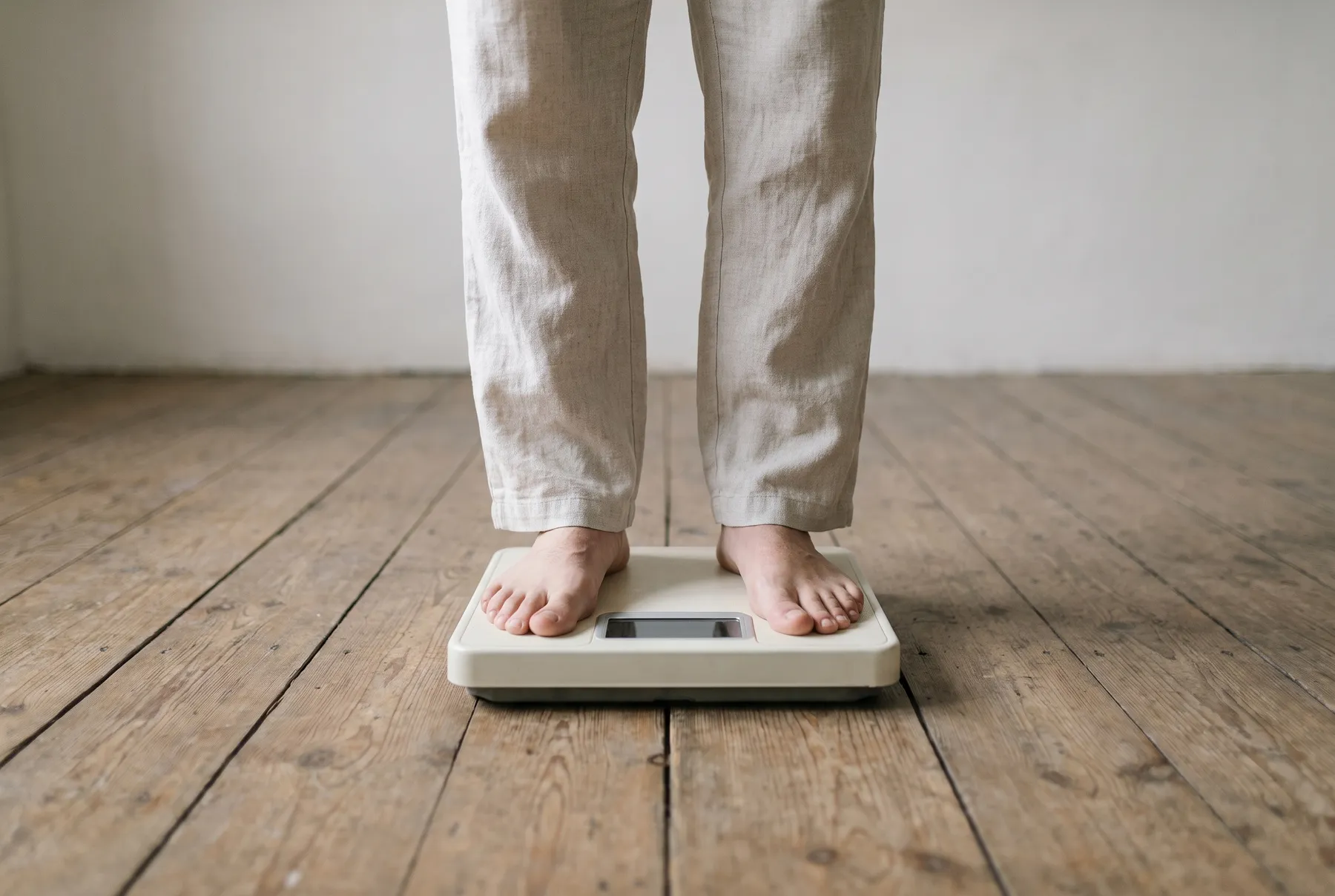
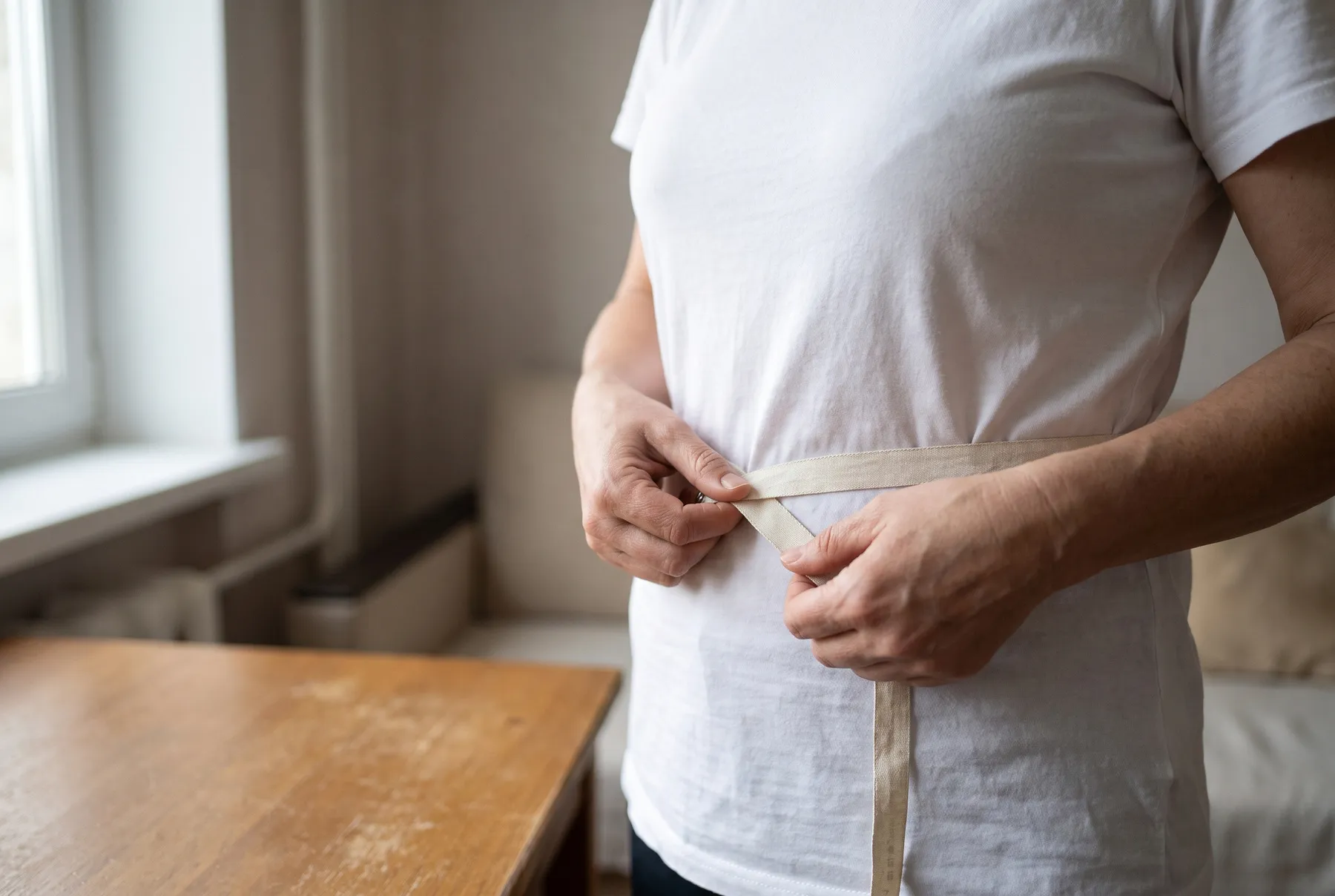
When weight is followed, the conversation is usually about the figure on the scales alone. What really matters, though, is where the weight is being lost from.
In brief
In rapid weight loss, part of what is lost may come from muscle tissue. That is why following weight means looking not only at how much has come off but at what has been lost.
Two headings stand out in keeping an eye on muscle mass: adequate protein intake and regular activity. These are not side headings of losing weight; they are inseparable parts of it.
What does the World Health Organization say?
The World Health Organization (opens in a new tab) sums up its framework for physical activity like this:
“Every move counts; some physical activity is better than none; all age groups should limit sedentary time; and muscle strengthening benefits everyone.”
Muscle strengthening is not limited to a particular age or condition.
On the nutrition side, the World Health Organization defines balance between the three sources of energy, protein, fat and carbohydrate, and states that the make-up varies with “individual characteristics such as age, gender, lifestyle and degree of physical activity”. Protein needs, in other words, are also set person by person.
In which patients is this assessed differently?
- In patients with kidney disease (protein intake is set separately by the physician; do not increase it on your own initiative)
- In patients with liver disease (the eating plan is assessed separately)
- In patients with cardiovascular disease and in patients whose blood pressure is not under control (the activity plan is built following assessment by a physician)
- In patients with muscle and joint pain (the pain itself is assessed first; you can read the detail on the Muscle and Joint Pain page)
- In older patients (the activity plan is set with balance and the risk of falls in mind)
- In patients who are pregnant or breastfeeding and in patients under 18 (the plan is assessed in a separate framework)
- In patients taking medicines for weight management (protein intake and activity are an inseparable part of follow-up; you can read the detail in What Happens When GLP-1 Receptor Agonists Are Stopped?)
What is followed during the process?
- Weight alongside other measurements, not on its own. Weight, waist circumference and, where needed, body composition are assessed together. You can read how waist circumference is measured in How Is Waist Circumference Measured? and about the assessment of body composition on the Body Composition Analysis page.
- Whether protein intake is adequate. The amount is set person by person; co-existing conditions change that decision.
- Whether the activity routine can be sustained. A routine that is doable and can be kept up comes before an intense but short-lived programme.
- Time spent sitting. The aim is to reduce it; the World Health Organization lists this as a heading of its own for all age groups.
- Newly appearing symptoms. If marked weakness, reduced muscle strength, hair loss or difficulty with everyday tasks appears, the plan is reassessed.
- Laboratory follow-up. Whether it is needed, and how often, is decided at the end of the examination.
Points to be aware of, and the limits
No figure for protein intake is given on this page. The amount varies with age, gender, level of activity and co-existing conditions. In people with kidney disease that decision rests with the physician in particular.
Protein supplements are not recommended. Tell your physician about every supplement you are thinking of taking; you can read the reasons in Telling Your Physician About Supplement Use.
An activity plan is not the same for everyone. Where there is cardiovascular disease, musculoskeletal pain or blood pressure that is not under control, the plan is built following assessment by a physician.
A falling number on the scales is not a measure of success on its own. What has been lost deserves more discussion than how fast it came off.
A change in muscle mass cannot be judged by eye at home. Assessment is done by measurement and examination.
When should you see a physician without delay?
If you notice these symptoms, consult a physician without delay:
- Marked weakness or reduced muscle strength
- Difficulty with everyday tasks such as climbing stairs or getting up from a seat
- Muscle pain, cramp or marked muscle tenderness
- Marked hair loss
- Dizziness, blurred vision or loss of balance
- A marked change in your periods
- Unintended and rapid weight loss
In the event of darkening of the urine, particularly after intense activity, chest pain, shortness of breath or a change in consciousness, go directly to the emergency department.
Frequently asked questions
Is muscle lost while losing weight?
In rapid weight loss, part of what is lost may come from muscle tissue. Follow-up therefore looks not only at the weight lost but at what has been lost; adequate protein intake and regular activity are part of that follow-up.
How much protein should I have a day?
No figure is given on this page. Protein needs vary with age, gender, level of activity and co-existing conditions; in people with kidney disease the decision rests with the physician in particular.
Is muscle-strengthening work suitable for everyone?
The World Health Organization states that muscle strengthening benefits everyone. How the plan is built varies from person to person, though; where there is cardiovascular disease, musculoskeletal pain or blood pressure that is not under control, assessment by a physician is needed.
Why is sedentary time a heading of its own?
The World Health Organization states as a separate point that all age groups should limit sedentary time. Time spent sitting during the day is a heading independent of planned exercise.
How can I follow the change in my muscle mass?
It cannot be judged by eye at home. Weight and waist circumference measurements are used together with an assessment of body composition where needed; which of these is required is decided at the end of the examination.
Should I use a protein supplement?
No supplement is recommended on this page. Tell your physician about every supplement and product you are thinking of taking; how it interacts with the medicines you take is then assessed.
How should I build my activity routine while losing weight?
Sustainability is the measure: a routine you can manage and keep up comes before a short, intense programme. If you have a co-existing condition, the plan is built following assessment by a physician.
Sources
- World Health Organization, Physical activity fact sheet, 26 June 2024. https://www.who.int/news-room/fact-sheets/detail/physical-activity (opens in a new tab)
- World Health Organization, Healthy diet fact sheet, 26 January 2026. https://www.who.int/news-room/fact-sheets/detail/healthy-diet (opens in a new tab)