One of the questions asked most often about GLP-1 receptor agonists used in weight management is “If I stop the medication, will the weight come back?”
That question has no one-sentence answer; stopping the medication is built into the plan at the very start, when the process is planned.
The short answer
- In its guideline dated 1 December 2025 on this class of medicines, the World Health Organization (opens in a new tab) states that its recommendation is conditional. Among the reasons it explicitly lists are the limited long-term efficacy and safety data, together with the uncertainties around continuing and stopping the medication.
- The same guideline speaks of the long-term treatment of obesity and underlines this principle: medication alone does not solve the problem of obesity.
This is not a file that is closed at the end of a course of treatment. That is why the timing and the manner of stopping are discussed from the outset.
The same organisation defines obesity (opens in a new tab) as a chronic disease that can recur, arising from complex interactions between genetics, neurobiology, eating behaviours, access to healthy food, market forces and the wider environment.
Why is stopping discussed from the outset?
Because the decision to stop is part of the treatment decision. Consultations cover the following:
- How long this medication is planned to be used
- In which circumstances it will be stopped (reaching the target, side effects or another medical development)
- How follow-up will continue after stopping
- How the eating and activity routine established while the medication is being used will be maintained after stopping
The decision to stop is not one you make on your own. If a situation arises in which you may want to stop the medication (side effects, cost, a supply problem or another reason), discuss it with your physician.
What changes after weight is lost?
Weight loss does not change just the number seen on the scales.
Muscle mass. With rapid weight loss, part of the loss may come from muscle tissue. For this reason adequate protein intake and regular activity are an inseparable part of follow-up, both while the medication is being used and after it has been stopped.
Other current medication. When weight changes, the doses of blood pressure, blood sugar and blood lipid medicines may need to be reviewed. Do not change these medicines on your own.
Laboratory values. Blood sugar, blood lipids, and liver and kidney function may change with weight loss; they are therefore followed up at set intervals.
Eating routine. The World Health Organization guideline states that structured nutrition and physical activity interventions may be offered to adults using these medicines. Whether this routine can be sustained without the medication is the most decisive issue after stopping.
What is done when the weight comes back?
Weight coming back is not a failure; it is a situation that needs to be assessed.
At that point the aim is not to lay blame but to find the cause:
- What has changed in the eating and activity routine is looked at
- Whether there has been a change in sleep routine, stress or working conditions is asked about
- Whether an accompanying clinical picture has developed, such as a change in thyroid function or blood sugar, or a newly started medication, is checked
- How quickly, and over what period, the weight gain occurred is assessed
Weight gain may have an underlying clinical picture that needs to be assessed; you can read how that is done on the Weight and Metabolism Management and Insulin Resistance pages.
What should be watched for after stopping?
- Continue with your follow-up appointments. Follow-up does not end when the medication ends.
- Do not change your other medicines on your own.
- Maintain the eating and activity routine.
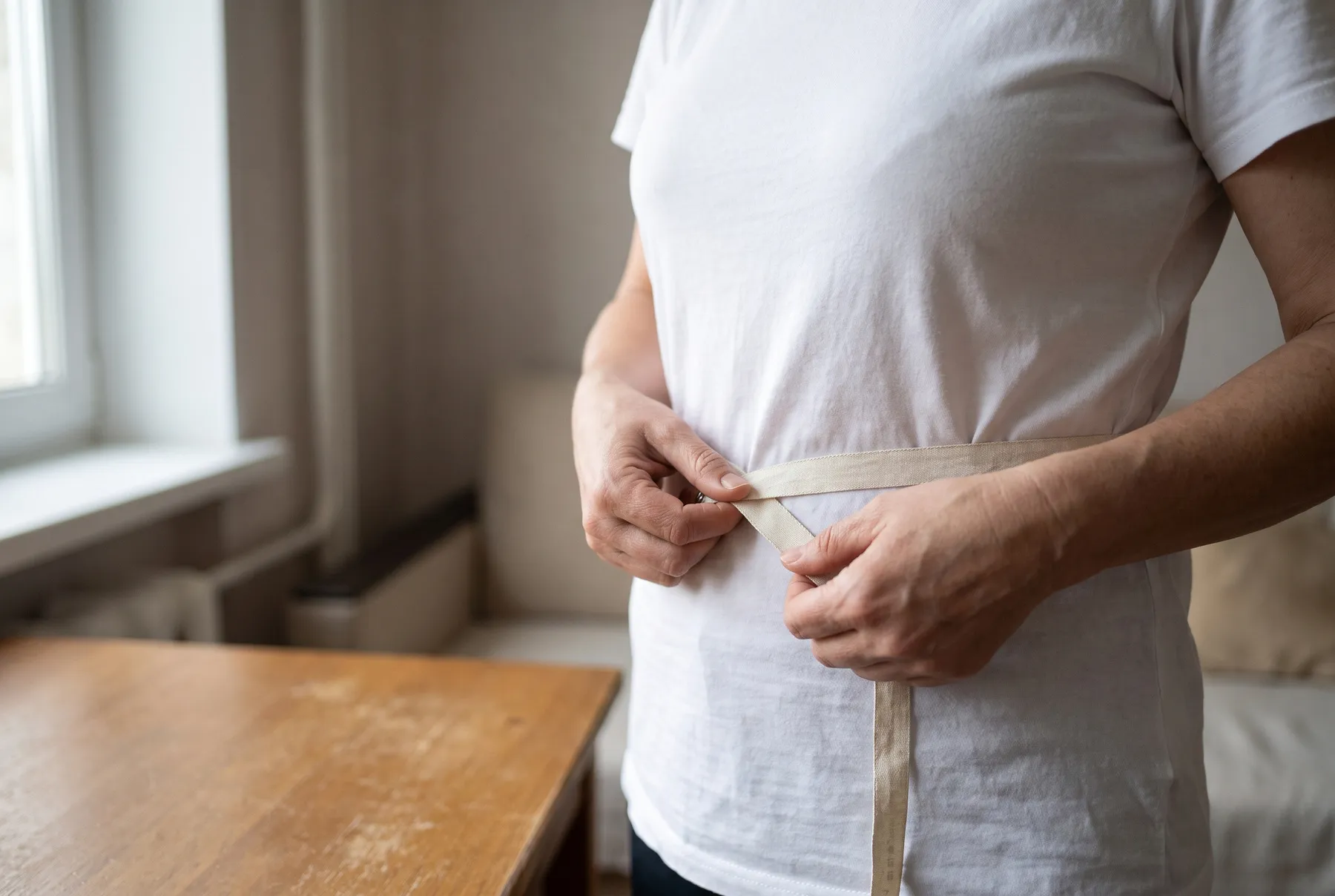
- Record your weight, your waist circumference and, if you have them, your blood pressure readings. You can read how waist circumference is measured in How Is Waist Circumference Measured?.
- Do not decide to restart on your own, and do not use any medication you have left over without consulting a physician.
When should you see a physician without delay?
If you experience these symptoms during treatment, contact your physician without delay:
- Rapid and unexplained weight loss or gain
- Signs of low blood sugar such as sweating, trembling, palpitations or sudden hunger
- Persistent nausea, vomiting or signs of fluid loss
- Marked fatigue, reduced muscle strength or hair loss
- An unexpected change in your blood pressure or blood sugar readings
In the event of severe abdominal pain that does not go away, shortness of breath, altered consciousness or fainting, go directly to the emergency department.
Frequently asked questions
If I stop the medication, will the weight come back?
No definite answer can be given. The World Health Organization (opens in a new tab) states that its recommendation on this class of medicines is conditional, and that the uncertainties around continuing and stopping the medication are among the reasons for this. That is why the timing of stopping and the follow-up afterwards are planned from the outset.
How long will I use the medication?
No definite duration can be given in advance. The World Health Organization (opens in a new tab) speaks of the long-term treatment of obesity; the duration is determined by the physician according to your response and the course of follow-up.
Can I stop the medication on my own?
No. The decision to stop is part of the treatment decision. If a situation arises in which you may want to stop the medication (side effects, cost, a supply problem or another reason), discuss it with your physician.
Will I lose muscle while losing weight?
With rapid weight loss, part of the loss may come from muscle tissue. For this reason adequate protein intake and regular activity are an inseparable part of follow-up; they are monitored both while the medication is being used and after it has been stopped.
My weight has come back; can I start again?
Do not decide to restart on your own, and do not use any medication you have left over without consulting a physician. Weight coming back is not a failure; it is a situation whose cause needs to be assessed.
Will the doses of my other medicines change when I lose weight?
When weight changes, the doses of blood pressure, blood sugar and blood lipid medicines may need to be reviewed. This assessment is made by the physician; do not change your medicines on your own.
Do I need to come for follow-up after stopping?
Yes. Follow-up does not end when the medication ends. The follow-up interval is determined according to the person and the clinical picture, and is reviewed at every consultation.
Sources
- World Health Organization, WHO issues global guideline on the use of GLP-1 medicines in treating obesity, 1 December 2025. https://www.who.int/news/item/01-12-2025-who-issues-global-guideline-on-the-use-of-glp-1-medicines-in-treating-obesity (opens in a new tab)
- World Health Organization, Obesity and overweight fact sheet, 8 December 2025. https://www.who.int/news-room/fact-sheets/detail/obesity-and-overweight (opens in a new tab)