What is the PRP procedure?
In the PRP procedure, a platelet-rich fraction is separated from the person’s own blood by a special process and applied back to the same person. The material used does not come from an external source; it is prepared from the person’s own blood.
Two points to know first:
- PRP is a preparation that is applied; mesotherapy is the method of application. The Mesotherapy Application Guideline (opens in a new tab) of the Ministry of Health of the Republic of Türkiye does not name PRP in its list of techniques.
- This page contains no explanation of a mechanism of action. No claim is made about what the procedure does in the body.
The procedure may only be performed by physicians holding the relevant authorisation, under suitable conditions.
When is the procedure considered?
The decision on suitability is made at the end of the consultation. The area for which the procedure is being considered is decisive; skin, scalp and joint procedures require different assessments, and some fall within the scope of the relevant specialty.
If hair loss is involved, its cause needs to be assessed first. This assessment is described on the Hair Mesotherapy page.
If there is a problem with your blood results (anaemia, a low platelet count, a clotting problem), it needs to be assessed before the procedure is planned.
In which patients is the procedure not performed?
- In patients with a low platelet count
- In patients with a bleeding or clotting disorder
- In patients with an active infection, a febrile illness or a clinical picture of sepsis
- In patients with active oncological disease, the procedure is not carried out; where there is a history, suitability is assessed with the opinion of the relevant specialist physician
- In patients with uncontrolled diabetes and uncontrolled raised blood pressure
- In patients with infection, an open wound or a rash at the site of the procedure
- In pregnant and breastfeeding patients
- In patients under 18 years of age
Situations that require separate assessment
- Use of blood-thinning or anticoagulant medicines
- A diagnosis of a blood disease (an assessment by the relevant specialist physician is required)
- Treatment that suppresses the immune system (the opinion of the relevant specialist physician is obtained)
- Marked fear of needles and blood sampling, or a history of fainting (the procedure is planned with additional precautions and under observation)
- Marked anaemia (this needs to be assessed first)
How is the procedure performed?
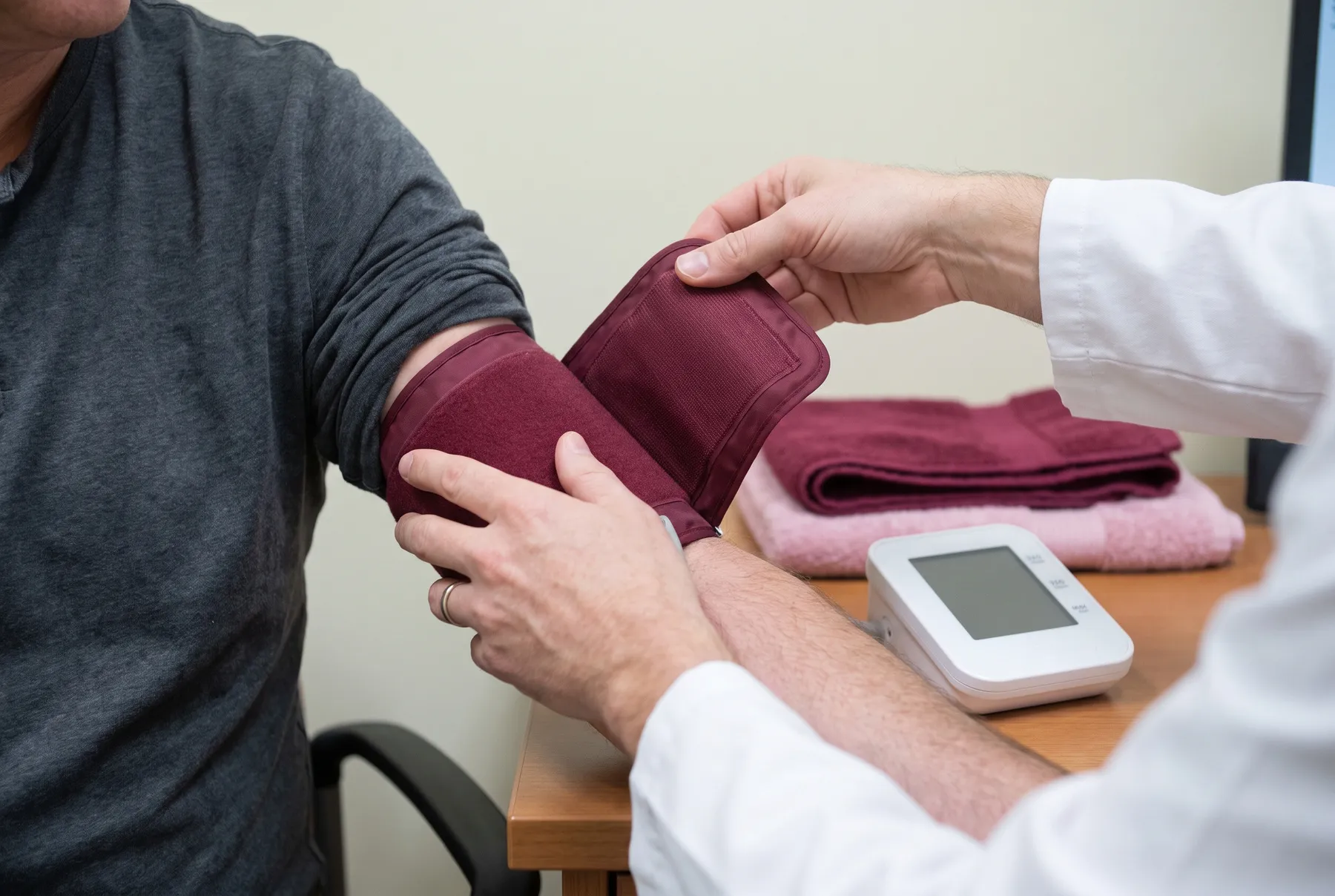
- Assessment. A history is taken, covering blood disease, any tendency to bleed and current medication, particularly blood thinners. Blood pressure and pulse are measured. Where necessary, a laboratory assessment is requested.
- Information and consent. The procedure, the limits of what can be expected and possible side effects are explained in writing and verbally; a form is signed.
- Blood sampling. Blood is taken from the person under suitable conditions, using single-use materials.
- Preparation. The blood is processed in a closed system under sterile conditions. The prepared material is applied only to the same person and is not stored.
- Application. The material is applied to the intended area. Antisepsis is ensured.
- Observation. The patient is kept under observation; vital signs and any findings are recorded in the file.
All materials used are single-use and specific to the person.
How long does it take, and how many sessions are needed?
A single number of sessions cannot be given in advance; it varies according to the area for which the procedure is planned and the outcome of the assessment. The Guideline states that for mesotherapy procedures other than pain management, the intervals between sessions are between 1 and 3 weeks.
What should you do before and after the procedure?
Before the procedure, report:
- A list of all the medicines and supplements you use (in particular blood thinners and painkillers)
- Any history of blood disease, any tendency to bleed and any past problems with having blood taken
- Your pregnancy and breastfeeding status
Before the procedure, you are advised to drink enough water and not to go without food.
After:
- There may be redness, swelling, tenderness and bruising at the site of the procedure
- Bruising may appear on the arm where blood was taken
- You are advised not to rub the area
- Keep to the time period you are given for hot environments, saunas, swimming pools and intense exercise
- You are asked to avoid heavy physical activity on the day of the procedure
Recommendations and time periods specific to you are given in writing at the end of the procedure.
Risks and side effects
Related to the blood sampling
- Pain, bruising and haematoma at the site where blood was taken
- Vasovagal syncope (fainting) (watched for particularly closely in this procedure because of the blood sampling stage)
- Dizziness and weakness
Related to the site of the procedure
- Pain, swelling, redness and tenderness
- Infection at the site of the procedure
- Bleeding and haematoma
- Temporary hardness in the area
- Colour change in the skin
- Temporary change in sensation
Results vary from person to person.
When should you see a physician without delay?
If you experience these symptoms during treatment, contact your physician without delay:
- Increasing redness, increased warmth, swelling or discharge at the site of the procedure
- A high fever
- Progressively increasing pain
- Spreading swelling, pain or loss of sensation in the arm from which blood was taken
- Dizziness and weakness that do not resolve
- New hardness appearing in the area
In the event of spreading redness or marked swelling together with fever, go directly to the emergency department.
Frequently asked questions
Is someone else’s blood used in the PRP procedure?
No. Only the person’s own blood is used, and the prepared material is applied only to the same person. The material is not stored; all materials used are single-use and specific to the person.
How does the PRP procedure work?
This page contains no explanation of a mechanism of action. No claim is made about what the procedure does in the body.
I take blood thinners; can I have PRP?
In those taking blood-thinning and anticoagulant medication, suitability is assessed separately. In those with a bleeding or clotting disorder, and in those with a low platelet count, the procedure is not performed. Please state your current medication at the consultation.
I faint when I have blood taken; can I have PRP?
In those with a marked fear of needles and blood sampling, or a history of fainting, the procedure is planned with additional precautions and under observation. Please mention this at the start of the consultation.
How many sessions are needed for the PRP procedure?
A definite number of sessions cannot be given in advance; it varies according to the area for which the procedure is planned and the outcome of the assessment. The Guideline states that for mesotherapy procedures other than pain management, the intervals between sessions are between 1 and 3 weeks.
Is PRP suitable for my hair loss?
If hair loss is involved, its cause needs to be assessed first. This assessment is described on the Hair Mesotherapy page; the decision on suitability is made at the end of the consultation.
Is PRP performed during pregnancy?
No. The procedure is not performed during pregnancy or while breastfeeding.
Sources
- Ministry of Health of the Republic of Türkiye, General Directorate of Health Services, Mezoterapi Uygulama Kılavuzu, Ankara, June 2025. https://ekutuphane.saglik.gov.tr/Yayin/694 (opens in a new tab)
- Ministry of Health of the Republic of Türkiye, Geleneksel ve Tamamlayıcı Tıp Uygulamaları Yönetmeliği, Official Gazette 28 April 2026 / 33237. https://www.resmigazete.gov.tr/eskiler/2026/04/20260428-2.htm (opens in a new tab)