When you go for an examination, you need to take with you a list of all your current medication and supplements (preferably the boxes), your test and imaging results from the past year, any discharge summaries and operation reports you have, and a note of your known allergies. This preparation leaves more of the consultation for the complaint itself.
A significant part of the examination time may be spent trying to remember details: what the medicine was called, when the test was done, which year that operation took place. When these details are prepared in advance, the consultation can focus directly on assessing the complaint.
There is also a safety dimension to this. The World Health Organization (opens in a new tab) reports that medication-related harm affects one in every 30 patients, and that informing patients and involving them in the process may reduce the burden of harm by up to 15%.
What you need to take with you
1. A list of your medicines, or the boxes Write down the name and dose of all your current medication. Bringing the boxes is more reliable than trying to remember. Medicines you take irregularly also belong on the list.
2. A list of your vitamin, mineral and herbal products Because these are not obtained on prescription, they often go unmentioned. However, they may interact with your current medication and may affect laboratory results; bring a list of them, or the packaging. For details, see our article Telling Your Physician About Supplement Use.
3. Test and imaging results from the past year A paper printout, or the details needed to access them, is enough. Previous results show how values have changed over time, so they give more information than a single new result and prevent unnecessary repetition.
4. Discharge summaries, operation and procedure reports If you have been admitted to hospital or have had an operation, bring these reports as well.
5. Your known allergies Make a note of your drug, food and contact allergies.
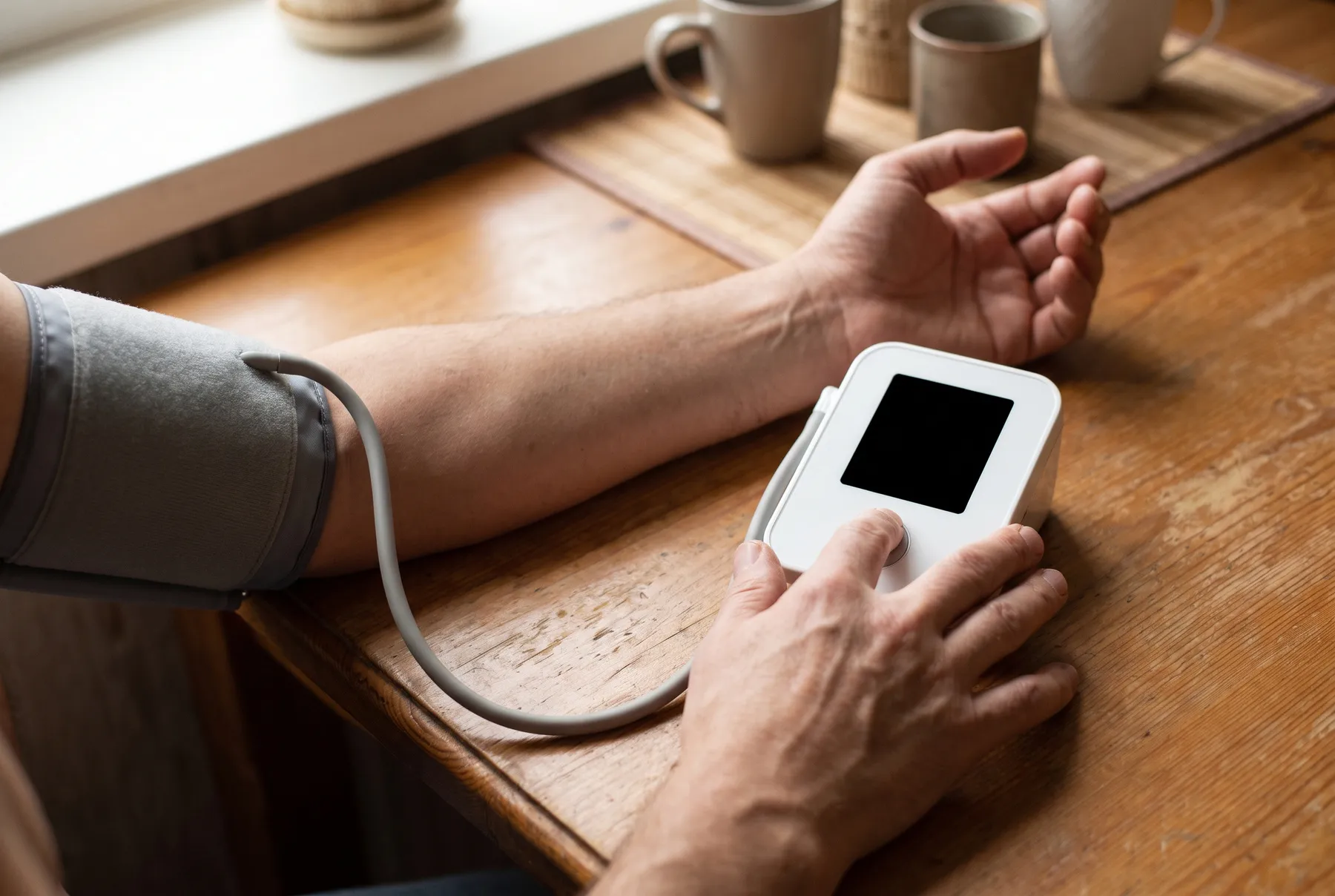
6. Your regular measurement records If you measure your blood pressure or blood sugar, bring your records. For measurement technique, see our article How Is Blood Pressure Measured at Home?. The World Health Organization reports raised blood pressure as the leading metabolic risk factor globally and states that 25% of global deaths due to noncommunicable diseases (opens in a new tab) are attributed to this factor.
7. Your written list of questions Writing your questions down in advance stops them being forgotten at the end of the consultation.
What should you cover when describing your complaint?
- When did it start? An approximate date is enough.
- How is it progressing? Constant or intermittent? Increasing or unchanged?
- What increases it, and what reduces it?
- Are there any other accompanying symptoms? Weight change, fever, sleep pattern.
- What have you already done about it? The medicine you used, the physician you consulted, the investigations that were carried out.
- How is it affecting your daily life?
In which patients is preparation different?
In the situations below the preparation proceeds differently.
- In patients asked to come fasting for an investigation (how many hours to fast is asked when making the appointment; do not fast for a long period on your own initiative)
- In patients with diabetes (a long fast may not be suitable; the medication and meal routine is discussed with the physician)
- In patients who are pregnant or where there is any suspicion of pregnancy (this should be mentioned at the beginning of the consultation)
- In patients taking blood thinners (if a procedure is planned, the medication routine is discussed in advance)
- In patients who have difficulty expressing themselves (it is helpful for a relative who is familiar with the medication and the history to come with them)
- In patients under 18 years of age (assessment lies within the field of paediatrics; this content has been prepared for adults)
Points to be aware of
Missing information leaves the assessment incomplete. A supplement that goes unmentioned, or a medicine that is not remembered, may lead to the results being interpreted differently.
Do not try to interpret your test result yourself. Laboratory reference ranges may differ from one institution to another, and results take on meaning together with the complaint and the examination findings.
Do not change your treatment on the basis of what you read on the internet. It is safer to raise anything you are curious about during the consultation.
Make your appointment before your medicines run out. A break in medication may disrupt follow-up.
Results vary from person to person.
In which situations should you go to the emergency department without waiting for your appointment?
- Chest pain or shortness of breath
- Sudden loss of strength, disturbance of speech or drooping of the face
- Altered consciousness or fainting
- Uncontrolled bleeding
- A severe clinical picture accompanied by high fever
- Severe abdominal pain of sudden onset
Frequently asked questions
Do I really need to bring my old test results?
Yes. Previous results show how values have changed over time; a single current result shows only one moment. In addition, if you have a recent result to hand, unnecessary repetition of the same investigations is avoided.
Is it essential to bring the medicine boxes?
It is not essential, but it is the most practical way. The name, the active substance and the dose are all printed on the box, so this is more reliable than trying to remember. If you cannot bring the box, a photograph of it is also enough.
Do I need to fast before an investigation?
This varies according to the investigations to be requested. Ask when you make your appointment. If you have diabetes, a long fast may not be suitable; mention this when you make the appointment.
Is it appropriate to ask questions during the consultation?
Yes, it is encouraged. Writing your questions down in advance stops them being forgotten at the end of the consultation. It is also fine to ask again about anything you have not understood.
Do I need to bring someone with me?
It is not compulsory. However, if you have difficulty expressing yourself, or if your medication and medical history are complicated, it helps the assessment if a relative who is familiar with this information comes with you.
What am I given at the end of the consultation?
At the end of the consultation you are given a written plan. It sets out the investigations to be requested, the recommendations relating to your eating and activity routine, any change made to your medication, and when the next follow-up is due.
Sources
- World Health Organization, Patient safety fact sheet, 11 September 2023. https://www.who.int/news-room/fact-sheets/detail/patient-safety (opens in a new tab)
- World Health Organization, Noncommunicable diseases fact sheet, 25 September 2025. https://www.who.int/news-room/fact-sheets/detail/noncommunicable-diseases (opens in a new tab)